
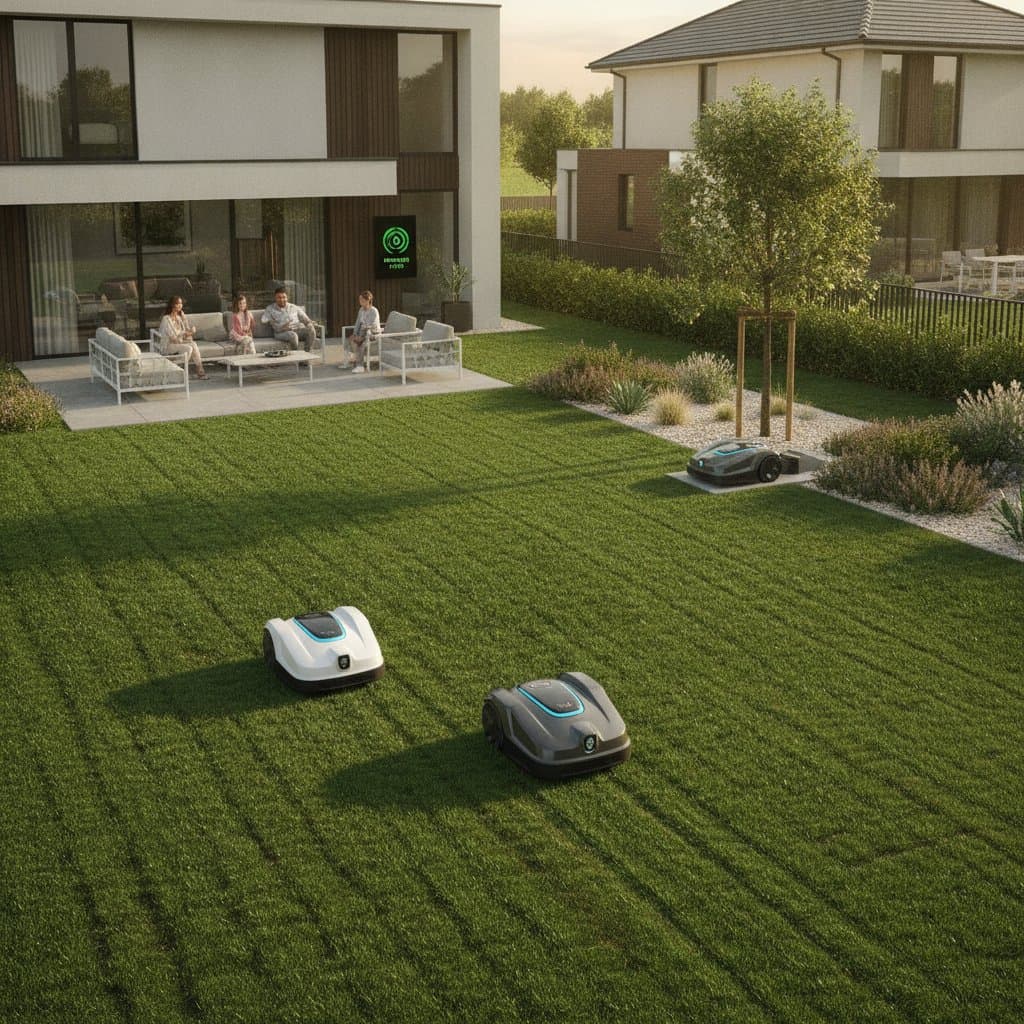
Why Robotic Mowers Are Now Dominating Suburban Yards
A quiet revolution is trimming suburban lawns. Robotic mowers, once a novelty, are now a common sight gliding across neatly edged turf. Homeowners are drawn to their quiet operation, consistent results, and time saving convenience. What once took an afternoon of effort now happens automatically, leaving more hours for relaxation, gardening, or outdoor dining.
These compact machines are reshaping how yards are maintained. They deliver a crisp look without the noise or fuel use of traditional mowers. Just as smart irrigation changed watering habits, robotic mowing has transformed weekly lawn care into a steady, low effort routine.
Consistent Mowing Creates Healthier Lawns
Robotic mowers cut grass every few days, keeping blades short and even. This consistent trimming encourages thicker growth and fewer weeds. Frequent mowing also returns micro clippings to the soil, adding natural nutrients over time.
Regular micro cuts mean less stress on the grass and fewer bare spots. This steady care results in turf that looks freshly groomed almost every day. From a design perspective, an evenly mowed lawn acts as a visual anchor for garden beds or pathways.
It creates a sense of calm order that supports more expressive plantings around it. A continuous low canopy of green helps highlight textures like river rock, mulch, or ornamental grasses. In a small suburban garden, a robotic mower keeps zoysia grass uniform, which frames curved planting beds with precision.
Smarter Boundaries and Mapping Technology
Modern robotic mowers use sensors, GPS mapping, or boundary wires to stay within defined zones. This precision allows them to navigate complex yards with curved edges, garden beds, or narrow passages. Smart mapping keeps the mower efficient, so it covers the lawn evenly without random patterns.
The result is a consistent cut across every section, even around irregular features. This technology also influences how designers plan new landscapes. Knowing a mower can handle tight turns encourages more fluid layouts.
The yard can include curved pathways, irregular lawns, or mixed use areas without worrying about difficult mowing corners. A yard with a kidney shaped lawn and stepping stone path stays neat without manual trimming, as the mower learns its exact boundaries.
Eco Friendly Performance Matches Sustainable Goals
Robotic mowers run on rechargeable batteries, cutting emissions and fuel consumption. Their small blades use less energy than traditional engines, and the frequent cutting cycle returns nutrients to the soil. This creates a closed loop of care that supports long term lawn health.
Robotic mowers reduce both carbon output and fertilizer needs. The lawn becomes part of a larger eco conscious design that includes native plant borders or rain gardens. Homeowners focused on sustainability appreciate how this technology fits into their values.
It supports energy efficiency while maintaining a polished look. For design professionals, it offers a tool that complements other low impact features like drip irrigation or solar lighting. A yard combining a robotic mower, drought tolerant turf, and solar path lights maintains a refined look while conserving resources.
Integration with Smart Home Systems
Robotic mowers now connect with smart irrigation systems, weather sensors, and voice assistants. This integration allows automatic scheduling based on rainfall, temperature, or grass growth rate. The mower becomes part of a larger smart yard ecosystem.
When your mower talks to your irrigation system, the lawn stays balanced without wasted effort. The system learns when to mow after dry periods or pause during rain. For design professionals, this connectivity opens new possibilities.
They can specify integrated lighting, irrigation, and mowing systems that adapt to conditions. The yard becomes a responsive environment rather than a static one. A lawn that syncs its mowing schedule with weather data avoids cutting wet grass, keeping the turf healthy and clean.
Reduced Physical Strain for Homeowners
Manual mowing can be tiring, especially on hilly or large properties. Robotic mowers remove that physical demand, which benefits older homeowners or those with limited time. The ease of use encourages consistent lawn care even when schedules are full.
Automation keeps lawns looking cared for even when people cannot manage weekly mowing. That reliability maintains property value and curb appeal without added effort. From a design point of view, a well kept lawn enhances the visual rhythm of the neighborhood.
It supports continuity between homes and reinforces community pride. When every yard looks maintained, outdoor living areas feel more inviting. A homeowner recovering from back issues relies on a robotic mower to keep the property looking managed year round.
Living with Smarter Yard Care
Once homeowners experience the ease of robotic mowing, few return to traditional machines. The reliability, quiet operation, and neat results support a more enjoyable relationship with outdoor spaces. This shift allows greater focus on enjoying the yard rather than maintaining it.