
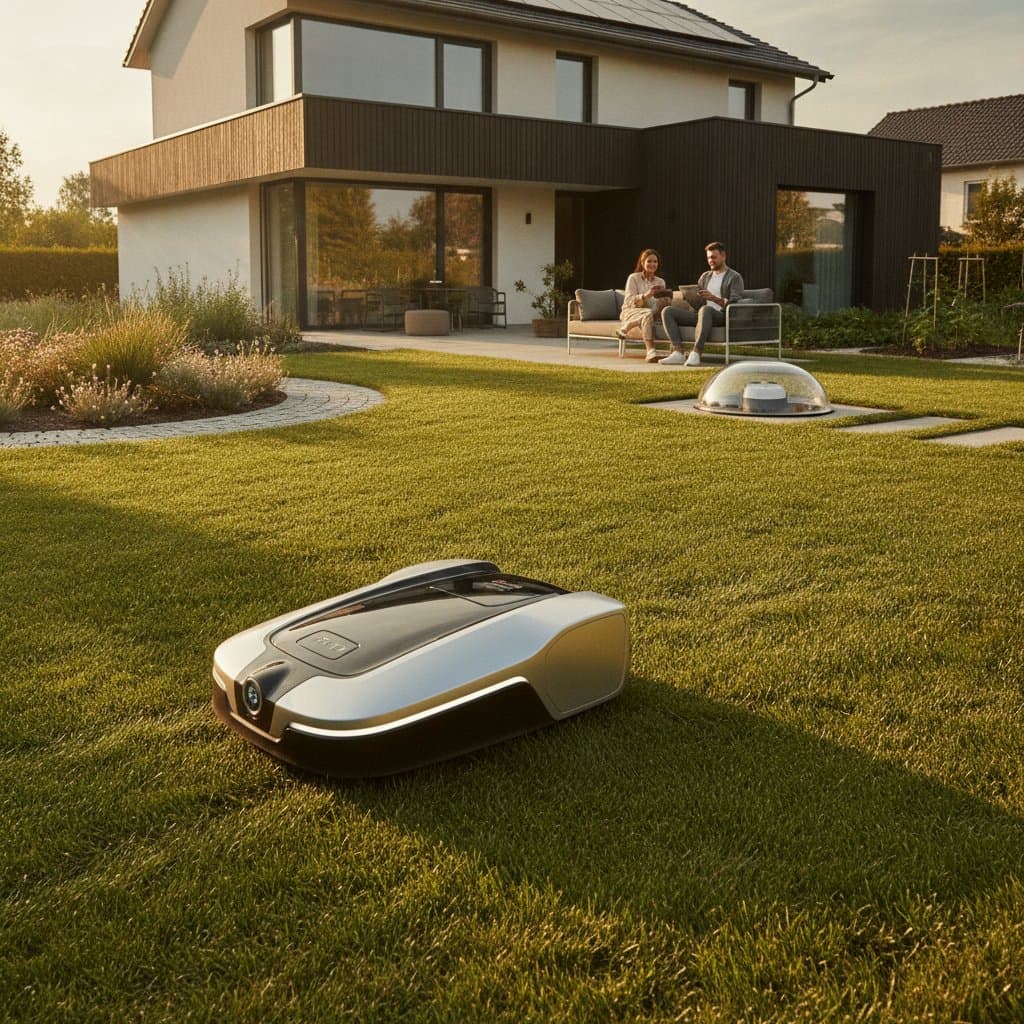
Why Robotic Lawn Mowers Enable Daily Self-Maintenance in Suburbs
If neatly trimmed lawns once required weekend effort with a gas mower, many suburban yards now follow a quieter routine. Robotic lawn mowers move across turf on programmed schedules while residents attend to other tasks. This shift stems from practical needs for efficiency, lower environmental impact, and integration with connected home systems.
California homeowners have adopted the devices quickly. Long growing seasons and water restrictions make automated care a natural fit. The trend combines advances in navigation technology with changing expectations for outdoor maintenance.
Convenience Through Automated Scheduling
Homeowners program robotic mowers to operate within defined boundaries several times each week. The machines maintain grass at a steady height without manual intervention. Frequent cuts produce fine clippings that return nutrients to the soil and limit fertilizer needs.
Users track progress and adjust timing through a mobile application. Alerts notify owners of any interruptions. This approach frees time previously spent on weekly mowing sessions.
Navigation Technology for Complex Yards
Current models rely on GPS mapping and sensors rather than basic perimeter wires alone. They handle slopes, narrow passages, and irregular layouts with accuracy. Programming allows the mower to skip garden beds, patios, and walkways.
These features support properties that combine turf with drought-tolerant plantings. The systems extend home automation outdoors, linking mowing with irrigation and lighting controls for unified property management.
Reduced Emissions and Noise Levels
Gas mowers release significant exhaust during operation. Battery-powered robotic units produce none. Their motors run at low volume, preserving neighborhood quiet.
Most models return to a charging station automatically and resume work when ready. Homeowners with solar arrays can offset energy use further. Safety sensors stop blades upon detecting lifts or nearby obstacles.
Cost and Maintenance Analysis
Initial purchase prices exceed those of basic gas mowers. Operating expenses drop because the units require no fuel, oil, or frequent spark plug changes. Labor costs for professional services also decrease over time.
Consistent results support property value by preventing uneven growth and weed spread. Many neighborhoods with design guidelines benefit from reliable compliance without extra effort.
Landscape Design Adjustments
Low-profile units fit visually into existing yards. Charging stations can be placed near structures or behind plantings. Designers plan edging and transitions that allow uninterrupted mower movement.
In drier regions, smaller lawn areas paired with native plants work well with robotic systems. The machines preserve manicured turf sections while leaving surrounding zones untouched.
Setup Steps and Routine Care
Clear boundary definition comes first, whether through wires or digital mapping. Sloped sections may need models with enhanced traction. Monthly blade inspections and sensor cleaning keep performance steady.
Software updates arrive wirelessly. Multiple units can cover larger or divided properties when one machine proves insufficient.
Lifestyle and Neighborhood Effects
Automation reduces time spent on upkeep and lowers neighborhood noise. Owners often view the devices as part of broader sustainable practices already common in the region. Conversations among neighbors now include shared tips on schedules and coverage.
Long-Term Environmental Benefits
Frequent cutting supports denser turf that retains moisture better. Electric operation avoids fuel handling issues. Lightweight construction limits soil compaction compared with heavier equipment.
Modular designs allow part replacement instead of full unit disposal. Improved battery life extends service intervals before renewal.
Selection Criteria for Property Needs
Match mower capacity to lawn size and terrain features. Consider battery runtime, cutting width, and rain sensors when comparing options. Warranty length and service access provide additional value measures.
Integration With Professional Services
Landscape designers can shape turf zones and pathways during initial planning. Electricians install discreet power sources for bases. Irrigation timing can be coordinated to avoid conflicts with mowing cycles.
Ongoing Property Management
Once installed, the system operates with minimal oversight. Homeowners review occasional app reports and perform basic cleaning. The result is reliable turf condition that supports both daily enjoyment and seasonal property goals.