
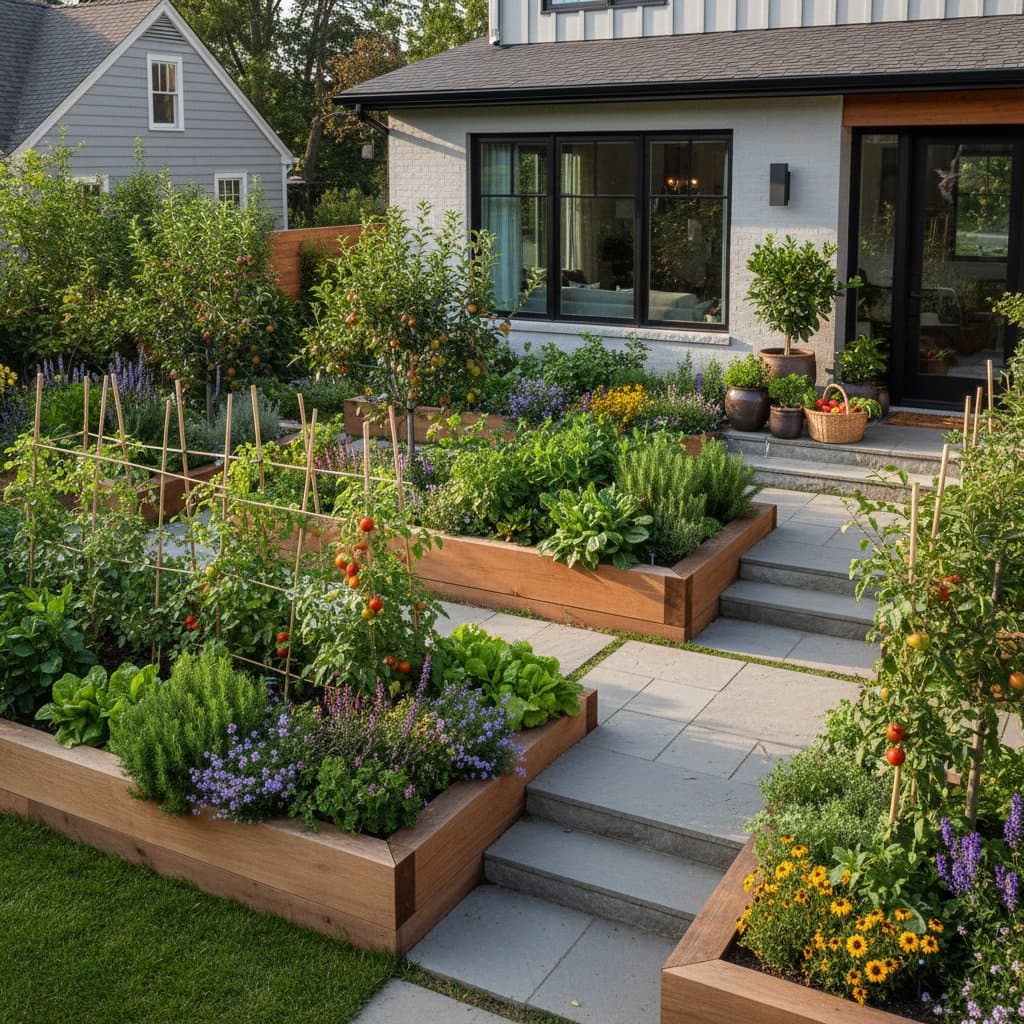
Edible Front Yards: Produce Food and Reduce Expenses
Picture yourself harvesting fresh lettuce, ripe tomatoes, or aromatic herbs directly from your front yard each morning. This space, traditionally reserved for decoration, evolves into a functional pantry that lowers food costs, improves nutrition, and fosters a stronger bond with the natural world. Edible front yards represent a smart, visually appealing method to optimize existing property while supporting environmental health.
Design an edible front yard to integrate seamlessly with daily life rather than resembling a full-scale farm. Focus on aesthetics, efficiency, and family sustenance. Such landscapes adapt to diverse home styles, from contemporary designs to traditional bungalows, earning admiration from passersby and steadily decreasing monthly grocery expenditures.
Develop a Strategic Plan for Your Edible Front Yard
Effective edible landscapes start with detailed preparation. Assess your yard's conditions, local climate, and family preferences before beginning work. This approach guarantees a thriving, polished garden that appears deliberate.
1. Evaluate Sunlight and Site Conditions
Observe sunlight patterns over several days to identify full-sun areas, partial shade, and drainage issues. In arid regions like California, dedicate sunny spots to heat-tolerant crops such as tomatoes, peppers, and eggplants. Reserve shaded areas for cool-season plants including spinach, kale, and mint.
Create a basic sketch of your yard using graph paper or free online tools. Note positions of mature trees, walkways, and underground utilities. Use this diagram to position raised beds, containers, and fruit-bearing shrubs for optimal growth.
2. Align Design with Home Architecture
Select elements that harmonize with your residence. For modern homes with sharp angles, opt for rectangular raised beds constructed from galvanized steel or cedar. Traditional homes benefit from flowing borders edged with natural stone or brick.
Incorporate a mix of edible and decorative plants in tiered arrangements. This layering provides depth, color contrasts, and blooms across seasons, ensuring the yard remains engaging throughout the year.
3. Optimize Layout for Ease and Efficiency
Design wide paths, at least three feet across, to accommodate wheelbarrows or harvest baskets. Cluster plants with similar watering requirements to simplify irrigation. Apply a two-inch layer of organic mulch to suppress weeds and retain soil moisture.
Install subsurface drip lines connected to a programmable timer. This system delivers water directly to roots, minimizing waste and preventing wet walkways.
4. Integrate Visual Appeal with Practical Yield
Select plants that serve dual purposes in beauty and utility. For instance, vibrant nasturtiums add edible flowers and ground cover, while Swiss chard offers colorful stems alongside nutritious leaves. Dwarf citrus trees or espaliered apples provide structure and fruit without overwhelming the space.
View the yard as a composition of heights, forms, and hues. Position taller elements like espaliered pears at the rear, medium-height berry bushes in the middle, and low herbs along edges for balanced proportions.
Implement Durable Design Techniques
After selecting plants, focus on elements that ensure longevity, cohesion, and minimal upkeep.
1. Construct Raised Beds and Clear Boundaries
Raised beds enhance soil control and accessibility, particularly in challenging soils. Build them to 12-18 inches high using rot-resistant cedar, concrete blocks, or recycled metal. Defined edges prevent sprawl and contribute to a professional appearance.
Fill beds with a blend of topsoil, compost, and aged manure for nutrient-rich foundation. This setup supports healthy root development and higher yields from the start.
2. Incorporate Functional Hardscape Features
Add permeable paths of flagstone or bark mulch to guide foot traffic and prevent soil compaction. Include a compact seating nook amid herb borders or under fruit trees to encourage relaxation and enjoyment of the space.
These features expand usability, turning the yard into an extension of indoor living areas.
3. Ensure Year-Round Interest
Select a combination of perennials and annuals for continuous appeal. Evergreen rosemary and lavender provide winter structure, while cool-season brassicas fill gaps in summer. Fruit trees like lemons offer glossy foliage and fragrance beyond harvest periods.
Rotate crops seasonally to maintain vitality and prevent soil depletion. This practice keeps the landscape dynamic and productive.
4. Adopt Efficient Water Management
Set up a drip irrigation network with moisture sensors to automate watering based on weather. Layer mulch annually to reduce evaporation by up to 70 percent. Harvest rainwater via barrels placed near downspouts for supplemental irrigation.
In water-conscious areas, explore local incentives for converting lawns to edible gardens, potentially offsetting initial costs.
5. Streamline Ongoing Care
Schedule tasks like pruning in early spring and mulching in fall to keep efforts manageable. Amend soil with homemade compost from yard waste to build fertility naturally. Monitor for pests weekly, using organic methods such as neem oil sprays.
This routine sustains productivity without overwhelming time commitments.
Adapt Edible Gardens to Urban and Suburban Environments
Edible front yards flourish in dense settings when balanced with neighborhood norms and social dynamics.
1. Adhere to Local Standards
Review homeowner association rules on plant heights and front-yard modifications. Plant vertical growers like pole beans on trellises at property edges to avoid visibility issues. Maintain neat borders with low edibles such as thyme or strawberries along public paths.
A polished presentation positions your garden as a community asset.
2. Foster Community Through Sharing
Excess produce from thriving plants often exceeds family needs. Offer surplus zucchini or basil to neighbors via a simple sign or casual exchange. These gestures spark interest and may inspire collective gardening initiatives.
3. Achieve Privacy with Productive Screens
Employ hedge-forming edibles like laurel or currant bushes for subtle barriers. Train kiwi vines on wire frames to form shaded arbors that yield fruit. These options blend seclusion with utility, enhancing rather than isolating the space.
Cultivate and Refine Your Edible Landscape
As your garden establishes, it transcends mere provision to embody personal stewardship and social connection. Annual observations reveal ideal crop rotations, resilient varieties, and soil improvements tailored to your site.
Experiment with succession planting to extend harvests, such as sowing lettuce every two weeks. Track successes in a journal to inform future seasons. The true value emerges in daily fresh meals and the pride of a self-sustaining haven.
This integrated approach redefines residential landscapes, merging ornamentation with utility for enduring benefits.