
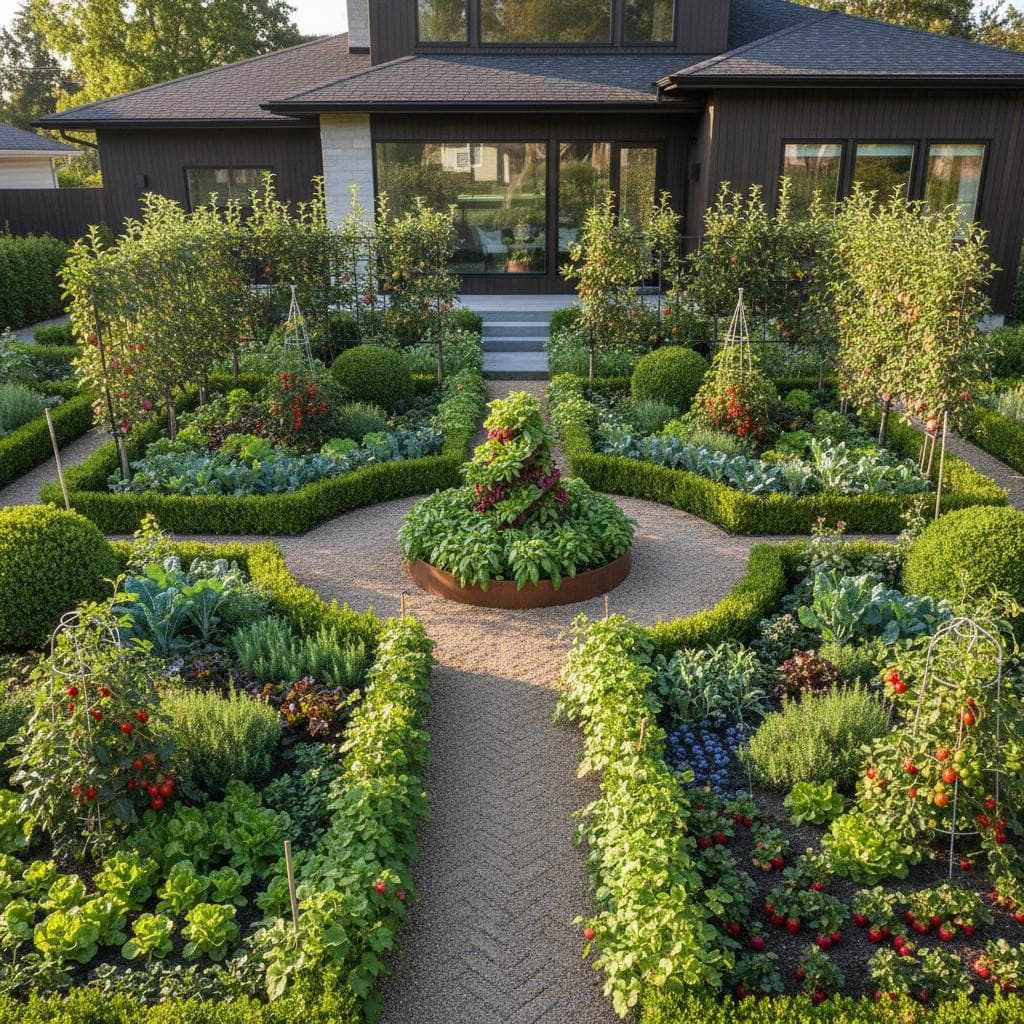
Cultivate Food in Your Front Yard While Enhancing Curb Appeal
A front yard brimming with vegetables, herbs, and fruit trees possesses the potential to rival traditional ornamental landscapes in beauty and utility. The practice of substituting lawns with edible plantings has evolved beyond novelty into a viable approach for homeowners. Thoughtful integration of structure, texture, and color ensures the space appeals visually while providing sustenance. This method transforms the entryway into a productive feature that harmonizes with neighborhood aesthetics.
1. Develop a Comprehensive Design Plan
Evaluate the front yard's practical aspects prior to any planting. Observe patterns of sunlight throughout the day, account for established trees that cast shade, and consider pathways used by residents and guests. Determine desired harvests, such as leafy greens for salads or herbs for cooking, alongside tolerance for ongoing tasks like weeding or watering. A detailed plan maintains cohesion and prevents disarray. In regions with a Mediterranean climate like California, incorporate rotations for cool-season crops such as broccoli in winter and warm-season options like zucchini in summer to sustain productivity.
2. Select Edibles for Their Ornamental Appeal
Edible plants reveal striking aesthetics when selected deliberately. Prioritize varieties that mimic the form and hue of conventional ornamentals to elevate the garden's sophistication. Consider these examples:
- Artichokes feature architectural silver-green leaves and globe-shaped buds that serve as focal points.
- Rainbow chard displays multicolored stems in reds, yellows, and pinks atop broad leaves for vibrant contrast.
- Blue kale offers ruffled edges in deep indigo tones, while purple basil provides glossy foliage with subtle sheen.
- Strawberries form dense mats as ground cover, producing glossy red fruits amid evergreen runners.
- Dwarf citrus trees, such as Meyer lemons, deliver evergreen structure, citrus-scented blooms, and golden orbs.
Approach these choices similarly to decorative plantings by evaluating mature height, width, and foliage texture. Cluster species with compatible requirements for sunlight and moisture to promote vigorous growth and simplify care.
3. Establish Structure Through Hardscape and Edging
Defined boundaries impart intention to an edible front yard, distinguishing it from unkempt plots. Incorporate elements like low stone retaining walls, elevated wooden beds, or winding gravel pathways to delineate zones. Materials such as brick pavers, decomposed granite, or salvaged timber blend seamlessly with diverse home styles, from Craftsman bungalows to modern facades. Edge plantings with aromatic herbs including upright rosemary, creeping thyme, or compact lavender to define borders while releasing scents that enhance the sensory experience.
In communities enforcing design covenants, emphasize formality through symmetrical arrangements or uniform planter sequences. Such organization demonstrates that culinary gardening aligns effortlessly with refined landscapes, alleviating concerns among neighbors.
4. Integrate Ornamentals and Edibles Seamlessly
The essence of an appealing edible yard lies in blending food crops with non-edible companions. Intersperse salad greens among blooming perennials like salvia, or position fruit espaliers beside resilient shrubs such as manzanita. Nasturtiums trail vibrantly over bed edges, their orange and yellow flowers adding cheer while repelling aphids naturally. Marigolds contribute golden blooms that draw beneficial insects, and calendula offers soft petals in sunny shades to soften vegetable rows.
Varied textures prevent a monotonous appearance. For example, combine the fine leaves of dill with the bold forms of cabbage for dynamic layering. When the composition appears balanced and intentional, observers appreciate the artistry before recognizing the productivity. This layered approach yields a landscape that feels abundant and purposeful rather than merely functional.
5. Implement Efficient Irrigation and Upkeep Routines
Edible gardens demand reliable hydration and attention, yet efficiency remains achievable. Install drip lines that target root zones precisely, minimizing waste and keeping foliage dry to deter diseases. Apply organic mulch layers, such as wheat straw or shredded bark, to conserve water, moderate soil temperature, and inhibit weed germination. Perform routine tasks including deadheading faded blooms, pinching herb tips for bushiness, and succession planting to fill gaps left by harvested crops.
Tailor selections to personal preferences for effort levels. Opt for perennials like established asparagus beds, globe artichokes, or mature fig trees that require minimal replanting. Complement them with hardy evergreens such as oregano or sedums to maintain visual interest and resilience across seasons.
6. Utilize Vertical Space and Architectural Accents
Elevating plantings maximizes yield and introduces dimension to the front yard. Erect trellises from wrought iron or bamboo to support vining peas, or espalier apples against walls for flat, artistic profiles. Position these features to accentuate architectural highlights, such as framing a front door or softening a garage facade. Select durable finishes like galvanized metal or weather-resistant wood to ensure longevity and stylistic harmony.
Additional elements reinforce integration with the residence. Install a wrought-iron gate with climbing roses, or line paths with basalt cobblestones for subtle texture. Large terracotta pots housing bay laurel add focal points that tie the garden to indoor motifs, avoiding an overly rustic vibe.
7. Adapt to Seasons for Ongoing Vitality
Dynamic changes through crop succession preserve the yard's allure across months. Transition from crisp lettuces in spring to robust eggplants in summer, introducing fresh palettes each cycle. Reserve pockets for off-season bloomers like sweet peas or sunflowers to bridge vegetable phases and support bee populations.
Incorporate welcoming features such as a flagstone bench flanked by potted mint to encourage interaction. This setup fosters community while underscoring the garden's role as an inviting, multifaceted asset.
Nurture Long-Term Garden Harmony
Embracing edible front yard cultivation embodies innovation and environmental responsibility. It fosters a deeper bond with natural cycles, from the emergence of radish sprouts to the ripening of persimmons under autumn light. Through precise planning, curated plantings, and diligent care, the space flourishes as an extension of your home's identity. Ultimately, this design delivers dual benefits: vital nutrition for daily meals and an enduring aesthetic that captivates all who approach.