
Front Yard Farms: Edible Landscaping for 2026
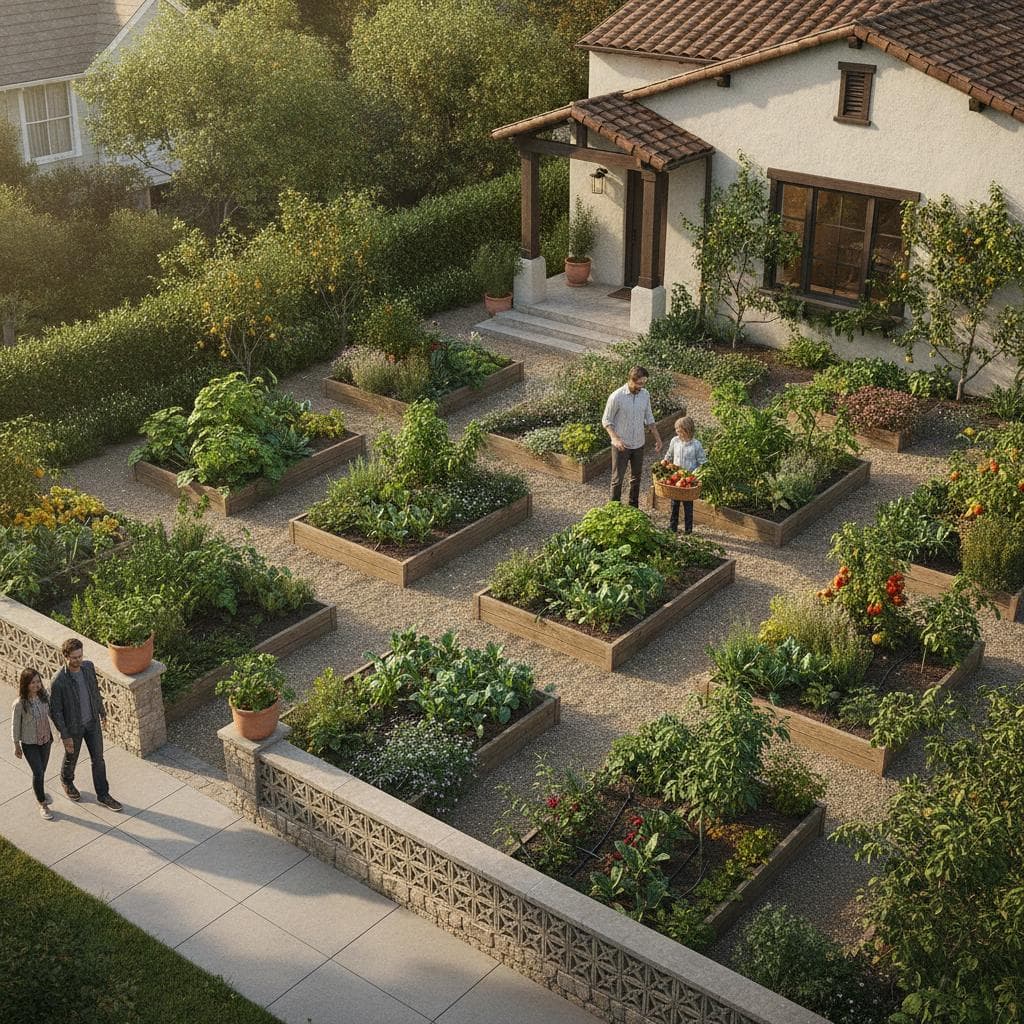
When Mia and Carlos Alvarez purchased their suburban home, they sought a yard that felt vibrant and useful. Their aim was to convert the front lawn into a productive garden that maintained a refined appearance from the street. Neighbors would see food growing alongside flowers, demonstrating that edible plants can match the ornamental value of traditional shrubs.
Exploring the Garden Layout
The front gate leads to a low gravel path bordered by rosemary, dwarf lavender, and creeping thyme. Fragrance welcomes visitors before they reach the porch. Raised steel planters on the left contain kale, rainbow chard, and red leaf lettuce. These vibrant colors create a painterly effect, yet all remain edible.
Design elements guide movement between zones. Herbs cluster near the entry. Fruit trees and berry shrubs occupy space closer to the driveway. A cedar bench provides a seating area for morning coffee amid the greenery.
Landscape designer Erin Chu of Greenhaven notes that the front yard often receives more sun and visibility. This positioning suits both food production and community engagement.
Central Productive Beds
Four cedar raised beds form the geometric center of the yard. Each measures four feet by six feet and features a one-foot-high border that doubles as seating. Seasonal crop rotation keeps harvests continuous and soil healthy.
One bed holds leafy greens. Another supports tomatoes and peppers. Root vegetables occupy the third. The fourth focuses on pollinator-friendly herbs such as basil, dill, and chives. Companion planting with marigolds and nasturtiums reduces pests naturally while adding color.
A narrow trellis along the porch supports climbing beans and cucumbers. This vertical element saves space and creates a living screen that filters sunlight while preserving airflow and privacy.
Built-In Sustainable Systems
Mulching with shredded bark retains moisture and suppresses weeds. The couple composts kitchen scraps to feed the soil naturally. Rainwater barrels behind the house connect to the irrigation network and supply water for up to two weeks.
Mia observes that each element supports the next. Compost nourishes soil, soil nourishes plants, and plants nourish the household. Lavender, sage, and yarrow attract pollinators that maintain ecosystem balance.
Guidelines for Edible Front Yards
Many homeowners hesitate to replace lawns due to concerns about upkeep or appearance. Erin and her team recommend the following approach:
- Start small by converting one section at a time. A single raised bed near the entry demonstrates the concept before expansion.
- Mix textures by pairing leafy greens with flowering herbs. Purple basil or red mustard introduces strong color.
- Maintain tidy borders, consistent mulch, and trimmed edges to convey intention.
- Plan succession harvests with crops of staggered maturity for continuous growth.
- Incorporate perennials such as artichokes, asparagus, and berries that return yearly and anchor the design.
Daily Life in the Garden
Months after completion, the Alvarezes report that the yard has altered their routines. Meals now begin with a short walk to check what is ready to harvest. The space encourages activity over routine maintenance. Pruning and sharing replace mowing.
Seasonal produce grown steps from the kitchen shapes their cooking. Citrus-infused salads and roasted root vegetables appear regularly. The couple feels more connected to their surroundings, and the landscape functions as a living extension of their kitchen.
Erin views this model as the direction residential design is taking. More people want every square foot to serve a meaningful purpose. When food and beauty integrate, the landscape gives back.