
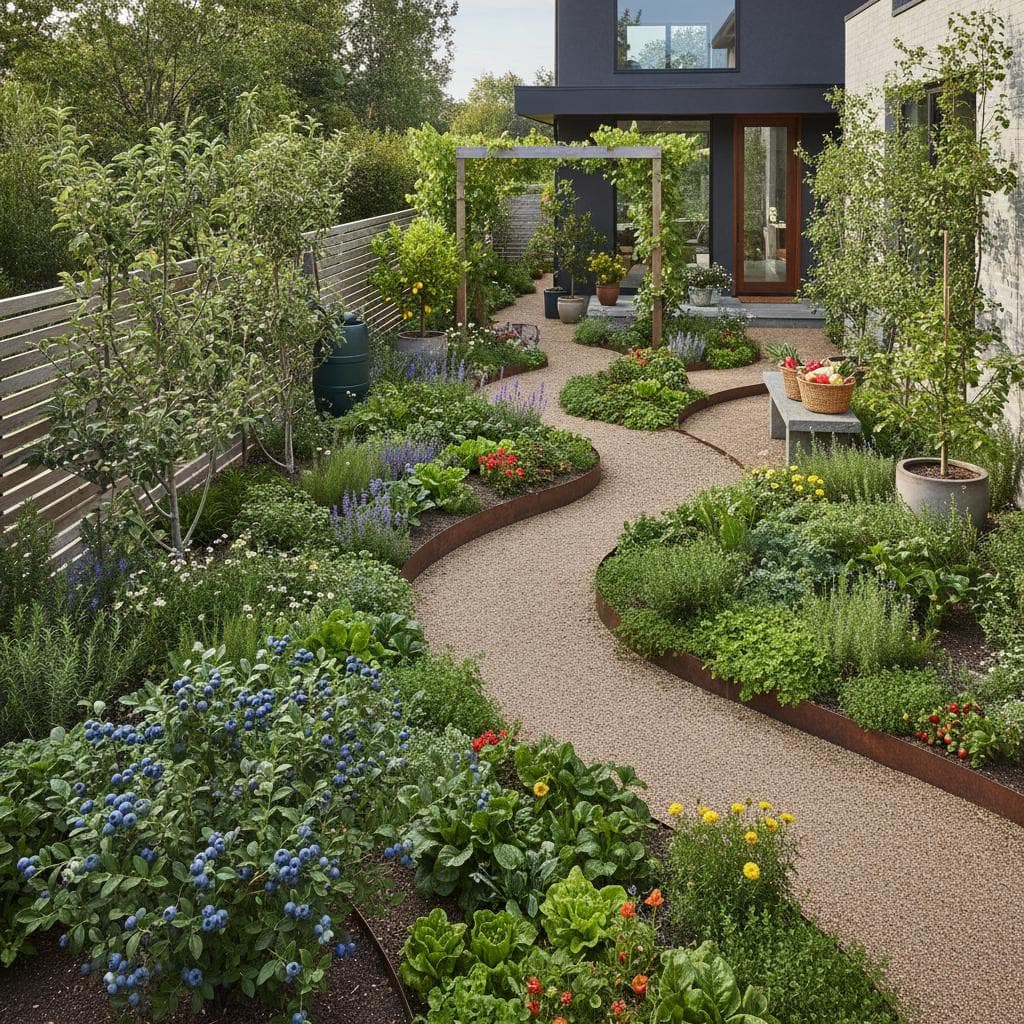
Front Yards That Look Stunning and Grow Fresh Food
A front yard can do much more than frame your home with curb appeal. It can feed you, calm your senses, and connect you to the rhythm of nature right outside your door. The idea of a beautiful edible front yard blends design, sustainability, and practicality in a way that fits the California lifestyle. Whether you live near the coast or in a drier inland region, a front yard that grows food can be both elegant and productive with the right planning.
The New Face of Curb Appeal
Traditional lawns once symbolized success and order, but they also demanded heavy watering, mowing, and chemical inputs. Many homeowners now want something more meaningful from their landscape. Replacing turf with edible plants brings texture, fragrance, and color while making the space useful.
Imagine rosemary serving as a low hedge, blueberries forming a neat border, and citrus trees shading a gravel path. These choices create structure while producing something tangible for your table. The key is to design the layout with the same care as an ornamental garden, balancing form, function, and long-term maintenance.
Step 1: Analyze Your Site and Style
Before planting a single seed, study the character of your site. Notice how light moves across the space, where water collects, and which areas receive foot traffic. Understanding these patterns helps you match the right plants to the right places.
- Sun and shade: Most edibles need full sun, but partial shade can support herbs like mint, chives, or parsley.
- Soil quality: Test your soil or consult a local nursery for guidance. Amending with compost improves fertility and texture.
- Architecture: Match the garden style to your home design. A cottage-style house pairs well with soft herb borders and raised beds, while a modern home might look best with geometric planters and clean lines.
This stage also determines how much time you can dedicate to upkeep. A small, well-tended edible garden will always outperform an ambitious but neglected one.
Step 2: Structure the Space for Beauty and Function
An attractive edible front yard begins with structure. Think in layers, as you would with a perennial border. Start with permanent elements like trees and paths, then add shrubs, perennials, and annuals.
- Trees: Choose dwarf or semi-dwarf fruit trees such as lemon, apple, or pomegranate. They provide shade, anchor the design, and yield abundant harvests.
- Shrubs: Blueberries, currants, or artichokes create volume and seasonal interest.
- Groundcovers: Thyme, strawberries, or oregano fill gaps and help suppress weeds.
- Accents: Raised beds, trellises, or decorative pots can define zones and simplify maintenance.
Use repetition to create visual harmony. For example, repeating lavender or sage along a pathway ties the design together while offering fragrance and pollinator support.
Step 3: Combine Ornamentals and Edibles
A front yard filled entirely with vegetables can look utilitarian, but blending edibles with ornamentals adds polish. Consider pairing kale with ornamental grasses, basil with marigolds, or nasturtiums with lettuce. These combinations attract beneficial insects and reduce pest problems.
In coastal areas, Mediterranean herbs like rosemary, thyme, and oregano thrive with little water. Inland gardens might lean on drought-tolerant edibles such as figs, olives, or prickly pear cactus. Mixing textures and colors keeps the garden visually appealing year-round.
Step 4: Manage Water Wisely
Water efficiency is essential in every California garden. Drip irrigation delivers moisture directly to plant roots where it is needed most. Mulching with wood chips or compost helps retain soil moisture and keeps roots cool. Grouping plants by their water requirements prevents overwatering and saves resources.
If your property allows, consider capturing rainwater in a barrel or directing roof runoff to a planted swale. These strategies not only conserve water but also protect the soil structure by reducing runoff and erosion.
Step 5: Keep It Accessible and Inviting
A front-yard food garden should feel like an extension of your living space. Include pathways wide enough for easy harvesting and maintenance. A small bench or seating nook invites you to linger among the scents of basil and citrus. The goal is to create a space that welcomes both guests and pollinators.
Lighting can also enhance the garden appeal. Soft path lights or string lighting make evening strolls enjoyable and highlight the structure of trees and trellises after dark. Choose fixtures that complement your home architecture and use energy-efficient bulbs.
Step 6: Think Seasonally for Continuous Interest
A thriving edible garden evolves throughout the seasons. Plan for layers of productivity and beauty that shift with time.
- Spring: Leafy greens, peas, and strawberries fill beds with color and texture.
- Summer: Tomatoes, peppers, and zucchini dominate with lush growth.
- Autumn: Apples, pomegranates, and late herbs provide warmth in both color and flavor.
- Winter: Kale, chard, and citrus keep the space alive when most ornamentals rest.
Rotating crops and refreshing annuals keep the space dynamic while reducing pest buildup. Perennials such as asparagus or artichokes provide structure and continuity through the years.
Step 7: Integrate Sustainability and Wildlife Support
A healthy front-yard ecosystem balances human needs with nature processes. By avoiding synthetic fertilizers and pesticides, you encourage beneficial insects, birds, and soil life to thrive. Use organic compost and mulch to feed the soil rather than the plants directly. This approach builds resilience and reduces long-term maintenance.
Planting native flowers among edibles draws pollinators that improve fruit set. Salvias, yarrow, and California poppies mingle beautifully with vegetables while supporting bees and butterflies. Edible gardens can be as ecologically rich as they are productive.
Step 8: Design for Longevity and Ease
Durability matters as much as beauty. Choose high-quality materials for beds, borders, and pathways. Recycled composite lumber or natural stone holds up well to weather and watering cycles. Plan irrigation and drainage carefully to prevent rot or erosion.
Maintenance should feel rewarding, not burdensome. Set aside regular times for pruning, harvesting, and replanting. A simple schedule keeps the garden productive without overwhelming you. If your budget allows, consider consulting a professional landscape designer who specializes in edible gardens. They can create a cohesive plan that fits your home and lifestyle.
Living with Your Edible Design
Once your front yard begins to flourish, it changes the way you experience your home. Stepping outside to pick breakfast herbs or gather salad greens becomes part of your daily rhythm. Neighbors may stop to admire the blend of beauty and purpose, and children can learn firsthand where food comes from.
Over time, your garden will mature into a self-sustaining system that needs less input and offers more abundance. Seasonal pruning, occasional soil enrichment, and mindful watering keep it thriving. As you harvest year after year, you are not only feeding yourself but also cultivating a more resilient landscape.