
Why Edible Front Yards Are the 2026 Landscaping Trend
When Elena and Marcus bought their compact suburban home, they wanted a front yard that felt alive, productive, and welcoming. They rejected a lawn that required constant mowing. Instead, they envisioned a landscape that fed their family and supported local pollinators.
Project Overview
- Who lives here: Elena and Marcus, plus two young children
- Location: A quiet neighborhood near a city's edge
- Size: 1,800 square feet of total outdoor space
- Designer: Greenfield Studio, Landscape Design
- Contractor: Bloomworks Outdoor
- Project focus: Edible front yard with a mix of perennial and seasonal produce
- Key materials: Reclaimed stone, cedar edging, drip irrigation, organic compost
From Lawn to Living Garden
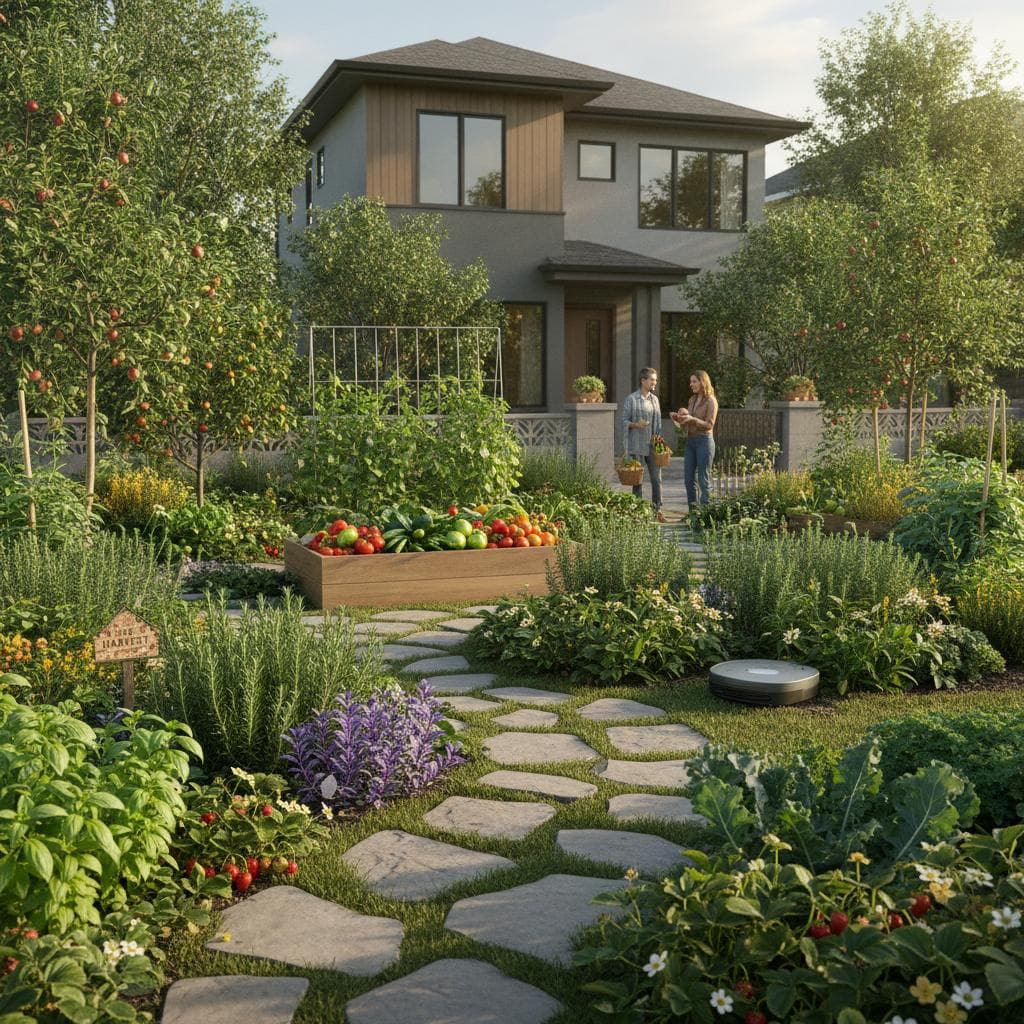
The transformation began with removal of the thirsty turf that once filled the front yard. The design team replaced it with a network of raised beds, fruiting shrubs, and pollinator friendly borders. A central flagstone path leads from the sidewalk to the door. Blueberry bushes line one side. Kale, nasturtium, and garlic chives occupy the other.
People often think an edible garden belongs in the backyard, said lead designer Rachel Kim. When we treat the front yard as a productive landscape, it becomes part of the neighborhood visual rhythm.
Each planting zone balances aesthetics and harvest. Low growing herbs such as thyme and oregano soften the edges of the stone path. Upright vegetables like Swiss chard add structure that changes color through the seasons. The garden feels layered and intentional, yet approachable enough for neighbors to stop and ask questions.
Designing for Beauty and Yield
The success of an edible front yard depends on how visual elements and planting patterns interact. Rachel explains that the team studied sun movement and soil drainage before deciding where to place fruit trees. Dwarf apple and fig trees now frame the walkway. They are pruned to maintain open sightlines from the street. Strawberries fill gaps beneath the trees that might otherwise collect weeds.
Materials matter as well. The raised beds were built with untreated cedar. This choice provides durability and a warm tone that matches the home wood trim. Gravel mulch keeps paths tidy while allowing rainwater to filter naturally into the soil. A drip irrigation system runs on a timer. It reduces water waste and keeps leaves dry to prevent disease.
Every element serves both form and function. The result is a landscape that mirrors the charm of traditional front gardens while producing baskets of fresh food each week.
The Social Side of Edible Design
Beyond the harvest, edible front yards encourage connection. Elena noticed that people walking by often pause to ask about the plants or share their own gardening stories. It has become part of our daily rhythm, she said. We will be outside picking beans, and someone will stop to admire the flowers. It feels like the garden belongs to the whole block.
This sense of shared ownership explains why edible landscapes are becoming a strong design movement. They bring visibility to sustainable practices that usually happen behind privacy fences. When neighbors see fruit trees instead of turf, it sparks curiosity and conversation about how to use land differently.
The approach also challenges assumptions about curb appeal. A well maintained edible garden can appear as structured and polished as any ornamental yard. The key lies in thoughtful composition. Designers often mix edible and ornamental plants. They pair the texture of artichoke leaves with the color of cosmos. They contrast the vertical shape of rosemary with the soft sprawl of strawberries.
Seasonal Strategy and Maintenance
The rhythm of an edible front yard follows the seasons. Early spring brings snap peas and leafy greens. Summer fills the beds with tomatoes, peppers, and basil. In cooler months, root crops and hardy herbs take over.
To keep the design cohesive, Rachel recommends a few guiding principles. Layer heights carefully. Use taller plants at the back or center, with low growers near edges. Repeat colors and textures. Echo tones between edibles and ornamentals for harmony. Plan succession planting. Replace harvested crops quickly to maintain coverage. Feed the soil consistently. Apply compost or organic mulch every few months.
Elena follows a simple routine. She spends a few minutes each morning checking for pests or signs of stress. Most days, the garden takes less time than mowing ever did. It is surprisingly easy once the system is in place, she said. The hardest part is keeping up with the harvest.
How Professionals Are Adapting
Landscape designers and contractors are increasingly building their skill sets around edible design. They source fruiting shrubs that hold form year round. They experiment with companion planting. They integrate rainwater capture systems into front yard layouts.
Many homeowners work with professionals for the initial layout. They then take over the seasonal care themselves. This shared approach ensures the design looks polished from the start while staying flexible for personal preferences. Designers emphasize that an edible front yard does not need to look rustic or wild. Clean lines, consistent mulch, and defined borders keep the space feeling intentional.
Living with Your Design
Months after completion, Elena and Marcus say the garden has transformed how they interact with their home. They pick herbs for dinner within steps of their front door. Their children recognize the cycle of growth and harvest. The front yard, once a forgotten patch of grass, now draws them outside each day.
For anyone considering their own edible landscape, the starting point is identifying how the space should serve daily life. Think of pathways as both circulation and harvest routes. Choose plants that fit the local climate and personal tastes. Be realistic about maintenance, but also open to learning through the seasons.
The edible front yard trend merges beauty with function so completely that they become the same goal. Creating an edible front yard brings food production into the public eye. It strengthens community and transforms the way people relate to their land.