
Crafting Edible Front Yards Under HOA Guidelines for 2026
Elena and Marcus purchased their suburban home with visions of fresh tomatoes and aromatic herbs flourishing in the front yard. Their Homeowners Association imposed strict rules against non-ornamental plantings in prominent spaces. Through innovative planning, persistent dialogue, and precise execution, they developed a vibrant edible landscape that adhered to regulations while delivering year-round harvests.
This transformation illustrates the potential for aligning community expectations with individual aspirations for self-sufficiency. Homeowners everywhere can adopt similar strategies to integrate food production into visible areas without conflict.
Exploring the Layout of an Edible Front Yard
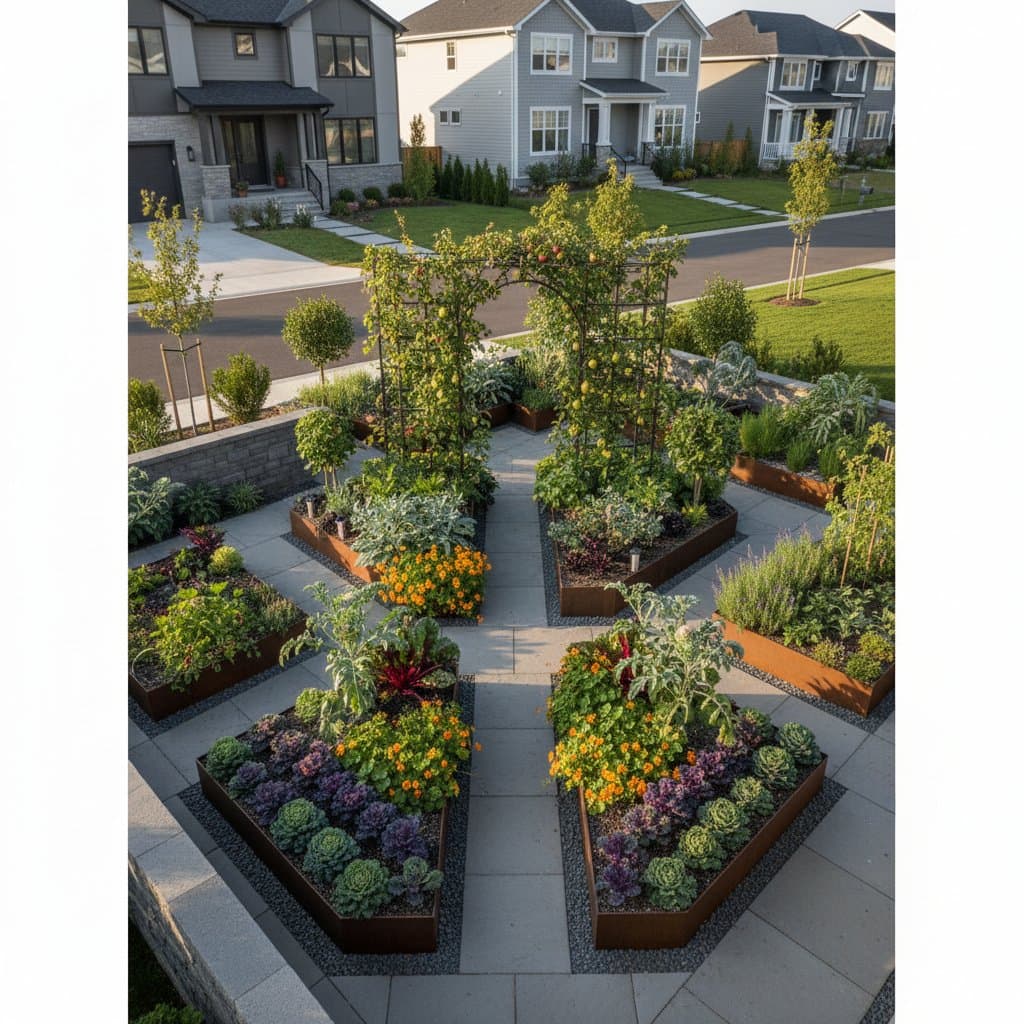
The design commences with familiar elements to ease visual integration. A gently curving walkway guides visitors from the street to the entrance, flanked by tiered planting beds that evoke classic garden symmetry. Initial impressions suggest a purely decorative space, complete with neat edging and harmonious hues.
Upon closer examination, the functionality emerges. Varieties of kale serve as lush border plants, mimicking the role of hostas or ferns in traditional setups. Rosemary and thyme form compact, evergreen ground covers that release subtle scents during warm months. Where formal shrubs like boxwoods might appear, compact blueberry varieties now thrive, offering both structure and seasonal berries.
This layered approach maintains the tidy appearance HOAs favor. The designer emphasized repetition in plant forms and colors to create cohesion. Such techniques ensure the yard remains polished throughout the seasons.
Collaborating Effectively with HOA Regulations
Preparation proves essential before any planting begins. Elena and Marcus scheduled a meeting with their HOA board, presenting a detailed site plan that included measurements and proposed layouts. They compiled a comprehensive plant inventory, listing both scientific names and everyday designations to clarify selections.
During discussions, they highlighted how the design incorporated evergreen components and balanced proportions to match surrounding properties. Marcus noted that framing each choice in terms of aesthetic contribution shifted perspectives. The board required only slight modifications, such as reinforcing borders with additional mulch.
They committed to a maintenance schedule mirroring that of conventional turf areas, including weekly trims and seasonal cleanups. This assurance of ongoing care secured unanimous approval.
Essential Steps for HOA Plan Submission
- Research existing guidelines thoroughly to identify permissible plant types and heights.
- Develop a professional-scale drawing showing the yard's overall composition.
- Select plants with dual ornamental and edible qualities, justifying each in writing.
- Include visual aids like digital renderings or photographs of similar mature installations.
- Propose a detailed upkeep plan to demonstrate long-term viability.
Selecting Plants for Dual Purpose and Appeal
Choosing the right species forms the foundation of success. Opt for perennials and shrubs that provide year-round interest while yielding produce. For example, dwarf fruit trees such as columnar apples fit neatly into foundation plantings, replacing standard evergreens without altering scale.
Herbaceous options like Swiss chard offer vibrant stems in reds and yellows, serving as accents akin to coleus. Strawberry plants ground edges with their low growth and white blooms, transitioning to fruit without mess. Avoid sprawling vines; instead, train espaliered varieties against fences for vertical interest.
Consider climate zones when selecting. In temperate regions, figs and citrus in containers add Mediterranean flair. These choices not only produce but also enhance biodiversity, attracting pollinators discreetly.
Maintenance Strategies for Sustained Elegance
Ongoing care keeps the garden compliant and inviting. Implement mulching with organic materials to suppress weeds and retain moisture, mimicking the neatness of mulched flower beds. Prune edibles regularly to maintain shapes that align with ornamental standards.
Watering follows efficient patterns, such as drip systems hidden beneath soil to avoid visible hoses. Rotate annuals like lettuces in contained areas to prevent bare spots. Seasonal tasks include dividing perennials in fall to refresh borders.
Elena shared that neighbors now compliment the yard's vibrancy. This level of attention ensures the space evolves gracefully, reinforcing its place in the community.
Realizing the Rewards of Integrated Design
Today, Elena and Marcus gather salad greens and herbs steps from their door, simplifying meals and reducing grocery reliance. The yard demands no more effort than a standard landscape, yet it yields tangible benefits like fresher nutrition and lower environmental impact.
Neighbors frequently inquire about the process, sparking interest in similar projects. This model demonstrates that thoughtful integration fosters community appreciation rather than resistance.
Ultimately, the greatest advantage lies in harmonizing personal goals with shared spaces. Homeowners gain productive yards that elevate property values and promote sustainable practices, all while upholding neighborhood ideals.