
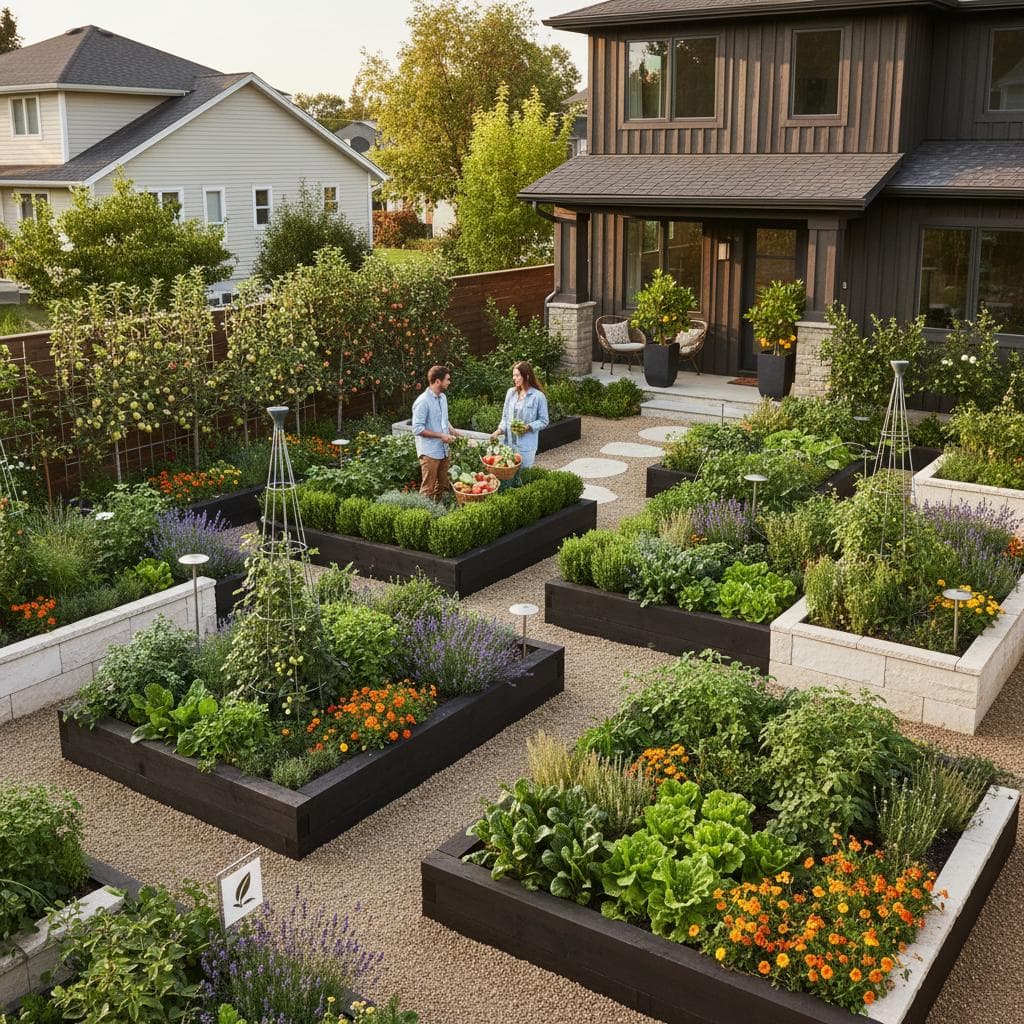
Creating Edible Front Yards That Comply with HOAs and Nourish Families
A front yard serves purposes beyond welcoming visitors or complementing the home's facade. Thoughtful planning transforms it into a productive space that sustains a family with fresh produce while maintaining a polished appearance acceptable to homeowners' associations. Effective edible front yards integrate fruits, herbs, and vegetables into landscapes that appear deliberate, neat, and vibrant.
Such designs unite aesthetic appeal with practical benefits. A carefully crafted foodscape sparks discussions among neighbors, attracts pollinators, and enriches everyday routines with aromas, textures, and flavors encountered during simple tasks like checking the mail.
Establish a Strong Structural Foundation
Every successful edible yard requires a solid design framework similar to that of traditional ornamental gardens. This structure ensures the space conveys purpose and order, which proves essential for gaining approval from homeowners' associations.
Incorporate low hedges of evergreen herbs like rosemary or lavender to outline boundaries and offer consistent shape throughout the year. Opt for raised beds constructed from wood or metal to delineate planting areas distinctly, positioning them as intentional elements rather than ad hoc additions. A landscape architect specializing in edible designs notes, "A designer might say: 'Defined geometry gives edibles the same visual weight as traditional shrubs.'"
Install pathways using gravel or stone to introduce contrast and facilitate easy access for harvesting. This arrangement maintains accessibility while avoiding the disorganized appearance that sometimes plagues edible gardens.
Visual Callout: Brick-edged beds brimming with rosemary and kale create a tidy border alongside the walkway.
Incorporate Height and Layering for Depth
Effective layering elevates a front yard beyond a monotonous plane. Build from a canopy of compact fruit trees, through mid-level shrubs or tall herbs, down to ground-covering edibles or flowers.
Train pear or fig trees in espalier form against fences to supply vertical interest without dominating the area. Position mid-height options such as artichokes, rosemary bushes, or blueberry shrubs to occupy central spaces, allowing low-growers like creeping thyme or strawberries to cascade over edges and temper hard lines.
This method echoes natural ecosystems, providing shelter for beneficial insects and introducing visual depth. A horticultural designer explains, "Layering adds rhythm. It makes the eye move and keeps the garden looking intentional."
Visual Callout: Espaliered pear trees flank the entrance, with thyme and creeping strawberries planted beneath.
Integrate Thoughtful Lighting Layers
An edible front yard benefits from illumination that enhances its nighttime allure. Low-voltage lights accentuate key features and prolong the garden's enjoyment into the evening.
Position fixtures to cast gentle light along paths, beneath fruit trees, or over raised beds, creating an inviting ambiance. Select warm white bulbs rated at 2700 K to achieve a realistic glow that enhances plants and surrounding materials. Steer clear of intense or tinted lights that might render the yard overly dramatic. A designer observes, "A designer might say: 'Layered lighting extends evenings outdoors without harsh glare.'"
Strategic lighting also promotes safety and underscores the garden's formal qualities, signaling to the community that the space receives proper maintenance.
Visual Callout: Gentle uplights bathe a fig espalier in warm amber tones near the front door.
Select Hardscape Elements to Define the Space
Paths, borders, and seating integrate seamlessly to provide clarity in an edible yard. Materials like brick, gravel, or decomposed granite harmonize with vegetables and decorative plants alike. Echo elements from the home's exterior to link the garden architecturally.
Construct raised beds from corten steel or cedar for durability and presence. Place a compact bistro table amid herb beds to form a focal point that encourages relaxation. A designer comments, "A designer might say: 'A clear framework makes even the most productive garden feel composed.'"
These choices ground the plantings and elevate the overall composition, ensuring the yard aligns with neighborhood expectations.
Visual Callout: Cedar-framed beds flank a gravel path that guides to a bistro set under a crabapple tree.
Nurture and Evolve Your Edible Landscape
After installation, an edible front yard develops into a dynamic entity that changes with time. Perennial herbs gain maturity, fruit trees establish productive cycles, and annual crops introduce seasonal vibrancy and taste.
Incorporate harvesting into daily life, such as clipping rosemary en route to the vehicle or gathering lettuce for meals. These actions foster a deeper connection between family and surroundings.
Ultimately, this garden embodies intentional stewardship, innovation, and communal spirit. It demonstrates that ornamental elegance and functional sustainability coexist harmoniously, inspiring others to embrace similar approaches.