
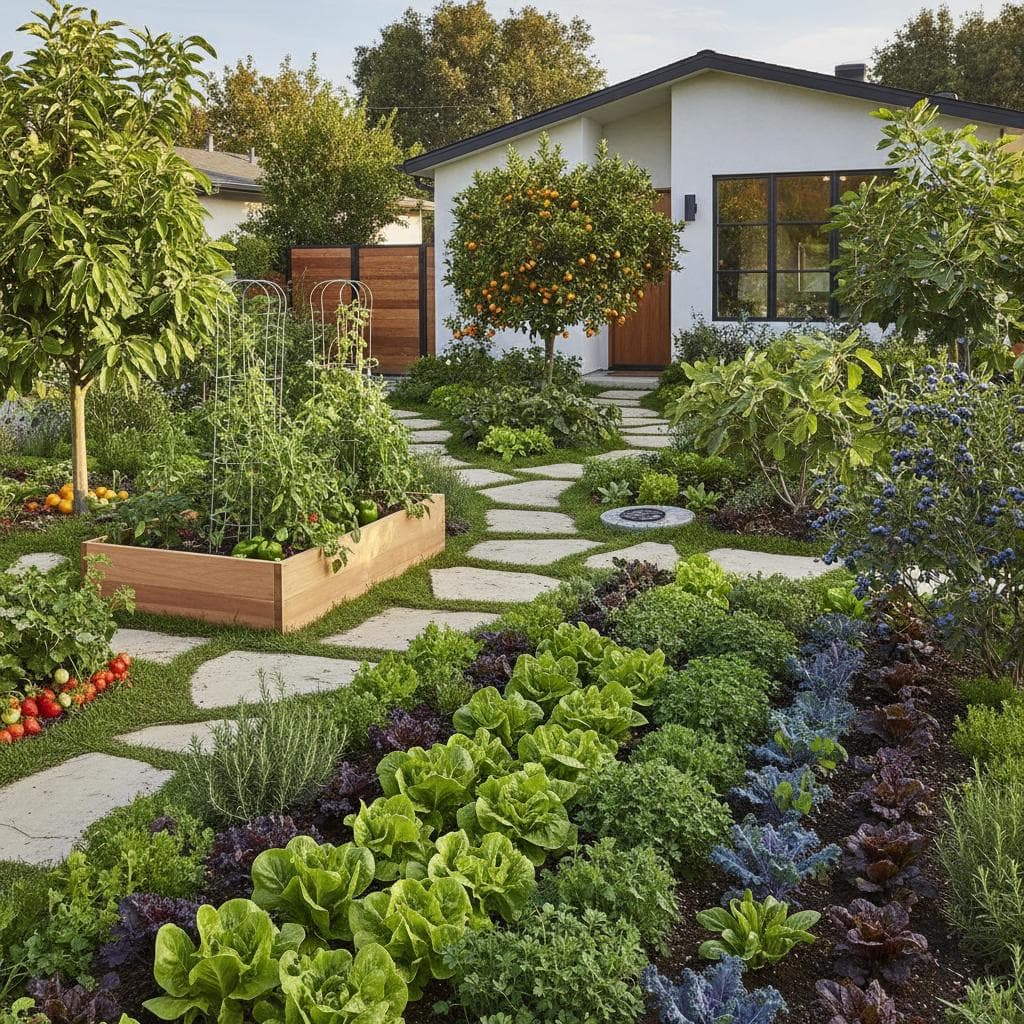
2026's Hottest Front Yard Trend: Edible Landscaping
A well designed front yard has always been a point of pride for homeowners. The newest trend sweeping through California neighborhoods takes that pride in a more delicious direction. Edible landscaping blends fruit trees, herbs, and vegetables into living designs that please the eye and fill the kitchen.
Why Edible Landscaping Is Taking Root
The appeal of edible landscaping is both practical and aesthetic. Lawns that demand constant watering and fertilizing give way to gardens that provide seasonal harvests. A front yard filled with berries, citrus, or flowering herbs can look refined while supporting a more sustainable lifestyle.
California Mediterranean climate suits this movement. Long dry summers and mild winters allow many edible plants to thrive with thoughtful irrigation and soil preparation. This approach reflects a cultural shift toward local food, resource conservation, and personal connection to the land.
Planning a Functional and Beautiful Edible Front Yard
Good design begins with clear intentions. Assess the site first. Observe sunlight patterns across the yard during the day. Note water flow after rain and areas most visible from the street. These observations guide placement of ornamental edibles and productive beds.
Start With Structure
Every landscape needs a backbone. In edible design that structure often comes from fruit trees or shrubs. Dwarf citrus, pomegranates, and figs provide year round interest and modest shade. Blueberries and currants form informal hedges that change color through the seasons. These anchor plants define the space while producing food for decades.
Understory layers complete the framework. Plant herbs such as rosemary, thyme, or lavender along borders for a soft fragrant edge. Their evergreen foliage keeps the garden neat when annual crops finish their cycle.
Mix Ornamentals and Edibles
A key principle of edible landscaping is integration. Blend vegetables among flowering plants instead of isolating them. Kale, chard, and purple basil bring dramatic color and texture. Nasturtiums, calendula, and borage attract pollinators while adding culinary value.
Design for Accessibility
Practical design makes harvesting easy. Place raised beds near pathways and vertical trellises by entryways. Espalier fruit trees along walls turn everyday spaces into productive zones. Position high use plants like herbs near the front door to encourage regular harvesting.
Manage Water Wisely
Sustainability remains central. Drip irrigation paired with mulch reduces water loss and keeps soil consistently moist. Group plants with similar water needs to prevent stress. In dry regions integrate permeable pathways and rain gardens to capture runoff.
Choosing the Right Plants for California Conditions
Plant selection determines success. Choose varieties that handle local conditions with minimal fuss.
- Fruit Trees: Dwarf citrus, figs, apples, and persimmons perform well across the state. Match varieties to your microclimate.
- Shrubs: Blueberries, pineapple guava, and pomegranates offer structure and seasonal interest.
- Perennials and Herbs: Rosemary, sage, oregano, and thyme handle heat and dry soil. They supply year round greenery and flavor.
- Annuals: Tomatoes, peppers, and lettuce rotate through sunny pockets for color and quick harvests.
- Groundcovers: Strawberries, creeping thyme, and chamomile soften edges and suppress weeds.
Consider bloom times and fruiting cycles when blending plants. A thoughtful mix keeps the garden lively and productive all year.
Aesthetic Principles for an Edible Landscape
A front yard must balance productivity with visual appeal. The best edible gardens look intentional and harmonious with the home architecture.
- Repetition and Rhythm: Repeat key plant forms or colors to create unity. Alternating lavender and sage along a pathway ties the garden together.
- Contrast and Texture: Combine glossy citrus leaves with feathery fennel or silvery artichoke foliage to add depth.
- Seasonal Variation: Plan for early blooms, summer fruits, and autumn foliage to keep the garden dynamic.
- Defined Edges: Use natural stone, steel borders, or low hedges to contain planting areas and maintain an orderly appearance.
Overcoming Common Challenges
Edible landscapes bring unique challenges that careful planning can manage.
- Pest Control: Practice integrated pest management. Encourage beneficial insects with flowering plants and avoid harsh chemicals.
- Maintenance: Schedule short weekly sessions for harvesting, pruning, and cleanup to prevent larger tasks from accumulating.
- Neighborhood Aesthetics: Choose tidy plant forms and maintain defined edges to satisfy homeowners associations.
- Soil Health: Replenish organic matter annually with compost and mulch to sustain fertility.
Integrating Functional Features
An edible front yard includes more than plants. Structures enhance usability and beauty.
- Pathways and Access: Gravel or decomposed granite paths prevent compaction and ease harvesting.
- Seating Areas: A small bench invites neighbors to stop and chat, turning the yard into a community space.
- Vertical Elements: Trellises and arches for beans, grapes, or passionfruit expand growing space and draw the eye upward.
- Lighting: Low voltage or solar fixtures highlight structure and improve safety for evening use.
Sustainable Practices for Long Term Success
Durability and ecological health guide every decision.
- Composting: Return garden waste to the soil with a discreet bin tucked behind shrubs.
- Mulching: Maintain a thick organic layer to conserve moisture and suppress weeds.
- Native Companions: Combine edibles with native species that support pollinators.
- Smart Irrigation: Use timers and soil moisture sensors to fine tune watering.
- Seasonal Rotation: Rotate crops to prevent pest buildup and nutrient depletion.
Living with Your Edible Design
Once established the front yard becomes a living extension of the home. The morning ritual of picking herbs or watching a fig ripen connects daily life to natural rhythms. This relationship deepens appreciation for soil, sunlight, and water.
Edible landscaping redefines curb appeal for homeowners who value both aesthetics and function. It feeds the household, supports the environment, and serves as a neighborhood conversation starter. The beauty is visual, edible, fragrant, and alive with purpose.