
Introduction
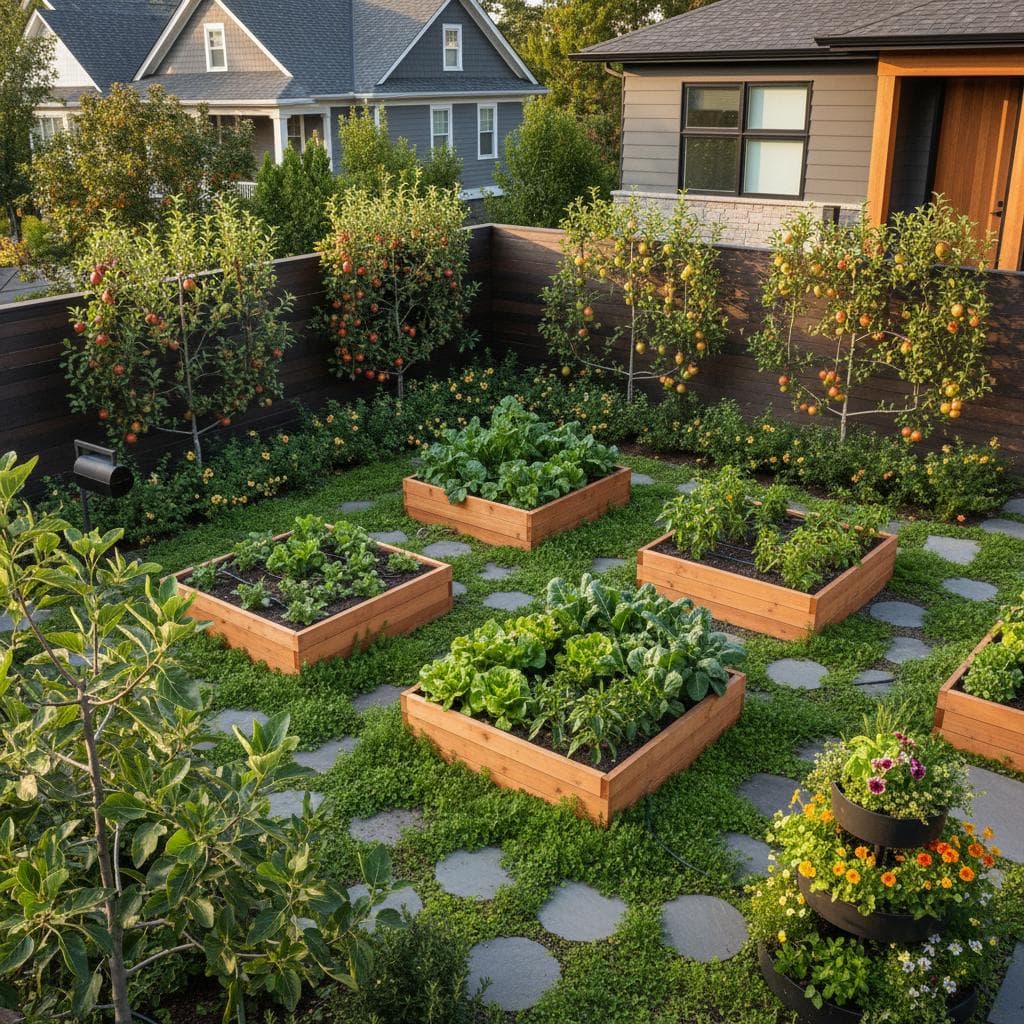
Homeowners often view the front yard as a showcase of ornamental beauty, yet it holds untapped potential for productivity. Edible landscaping integrates food-producing plants into visible spaces, creating landscapes that delight the eye while yielding harvests. This approach challenges traditional designs by prioritizing plants that serve dual purposes: aesthetic appeal and nutritional value.
Consider the classic suburban lot lined with manicured lawns and flower beds. Replace portions with edibles that mimic formal garden elements. The result is a space that invites admiration from passersby and provides fresh produce for the household. Such transformations require careful planning to balance visual harmony with practical yields.
Benefits of Edible Front Yards
Edible front yards offer environmental and economic advantages. These gardens reduce reliance on store-bought produce, cutting costs and carbon footprints associated with transportation. Plants like berries and herbs attract pollinators, supporting local ecosystems without sacrificing neatness.
Visually, edibles enhance curb appeal through vibrant foliage and seasonal blooms. Fruit-laden branches add dynamic interest, while structured planting prevents a wild appearance. Communities benefit as well; shared harvests foster neighborly interactions and promote sustainable living.
Property values may rise with such innovative designs. Prospective buyers appreciate low-maintenance, functional landscapes that reflect modern priorities like self-sufficiency and eco-friendliness. The key lies in selecting plants that thrive in prominent positions.
Selecting Edible Plants for Aesthetic Impact
Choose plants based on climate, soil, and sunlight availability. Focus on varieties that offer year-round interest through flowers, fruits, or foliage colors. Prioritize compact or trained forms to fit urban lots.
Fruit Trees and Shrubs
Dwarf fruit trees provide stature without overwhelming small yards. Select espaliered apples or pears trained against fences for a formal look. Blueberries form neat hedges with white spring blooms and autumn color changes.
Serviceberry shrubs deliver delicate white flowers in spring, followed by edible berries and fiery fall leaves. Figs, when pruned annually, maintain a sculptural shape with broad leaves that evoke Mediterranean elegance. These options ensure productivity aligns with ornamental standards.
Herbs and Vegetables
Herbs like lavender and rosemary serve as evergreen borders, releasing aromas that enhance sensory appeal. Chives form tufted clumps with purple pom-pom flowers, doubling as attractive edging. Basil varieties with variegated leaves add textural variety to beds.
For vegetables, opt for compact types such as bush beans or kale with fringed edges. Strawberries cascade from raised beds, their runners creating a lush carpet effect. Tomatoes staked in rows mimic standard perennials, with colorful fruits providing focal points.
Groundcovers and Vines
Trailing nasturtiums cover bare soil with edible flowers in bold oranges and yellows. They climb trellises, softening hardscapes. Mint species, contained in pots sunk into the ground, spread fragrance without invading.
Vining peas or grapes on arbors create shaded entryways. Their heart-shaped leaves and dangling pods blend seamlessly into trellis designs. These low-growing elements tie the composition together, preventing soil erosion while contributing to the harvest.
Design Principles for Harmonious Landscapes
Effective design starts with site analysis. Map sunlight patterns, wind exposure, and foot traffic to position plants optimally. Aim for a layered approach: tall elements at the back, mid-height fillers, and groundcovers in front.
Layout and Bedding
Define beds with clean edges using bricks or stones to echo traditional gardens. Curved paths guide visitors through the space, highlighting edible features. Group plants by water needs to simplify care; for instance, cluster drought-tolerant herbs near the house foundation.
Incorporate hardscape elements like benches or fountains to frame plantings. This creates focal points that draw attention from untidy growth phases. Symmetry in bed shapes maintains a polished appearance throughout the seasons.
Color and Texture Layering
Balance cool greens with pops of color from ripening fruits or flowering edibles. Texture contrasts, such as feathery dill against broad-leafed squash, add depth. Seasonal succession ensures continuous interest: spring herbs give way to summer vegetables and fall berries.
Avoid overcrowding by spacing plants according to mature sizes. Mulch beds with organic materials to suppress weeds and retain moisture, contributing to a tidy, professional finish.
Irrigation and Sustainability
Install drip systems beneath mulch to deliver water efficiently to roots, minimizing evaporation. Rain barrels collect rooftop runoff for irrigation, promoting water conservation. Native edibles reduce fertilizer needs, as they adapt to local conditions.
Soil amendments like compost improve fertility without chemicals. This sustainable foundation supports healthy growth, ensuring plants remain vibrant and productive.
Step-by-Step Guide to Implementation
Begin by sketching your yard's layout on graph paper. Identify areas for edibles, considering views from the street and windows. Test soil pH and amend as needed for optimal plant health.
-
Prepare the site: Clear weeds and till soil to a depth of 12 inches. Incorporate compost to enrich the ground.
-
Install structures: Set up trellises, edging, and irrigation before planting. This prevents root disturbance later.
-
Plant in phases: Start with perennials like shrubs in fall, then annuals in spring. Water deeply after planting to establish roots.
-
Monitor and adjust: Observe growth patterns in the first year. Prune as necessary to maintain shape and encourage fruiting.
-
Harvest regularly: Pick produce to stimulate further yields and prevent overripening that could detract from appearance.
These steps transform concepts into reality, yielding a functional garden within one growing season.
Maintenance Strategies for Lasting Appeal
Regular care keeps the landscape looking sharp. Prune fruit trees in late winter to shape branches and remove dead wood. Deadhead spent flowers on herbs to prolong blooming and tidy appearances.
Weed weekly to maintain bed edges. Rotate vegetable crops annually to prevent soil depletion. In colder climates, cover tender plants with frost cloth during winter snaps.
Pest management relies on natural methods: companion planting deters insects, while hand-picking removes larger threats. This approach preserves the organic integrity of the garden.
Harvesting Abundance and Community Impact
A well-designed edible front yard delivers fresh meals and visual joy. Families enjoy the satisfaction of homegrown flavors, from salads garnished with home herbs to desserts featuring garden berries. The space becomes a living testament to thoughtful stewardship.
Extend benefits by sharing excess produce with neighbors, strengthening community ties. Over time, this landscape evolves, adapting to family needs while sustaining the environment. Embrace the cycle of growth and renewal for enduring rewards.