
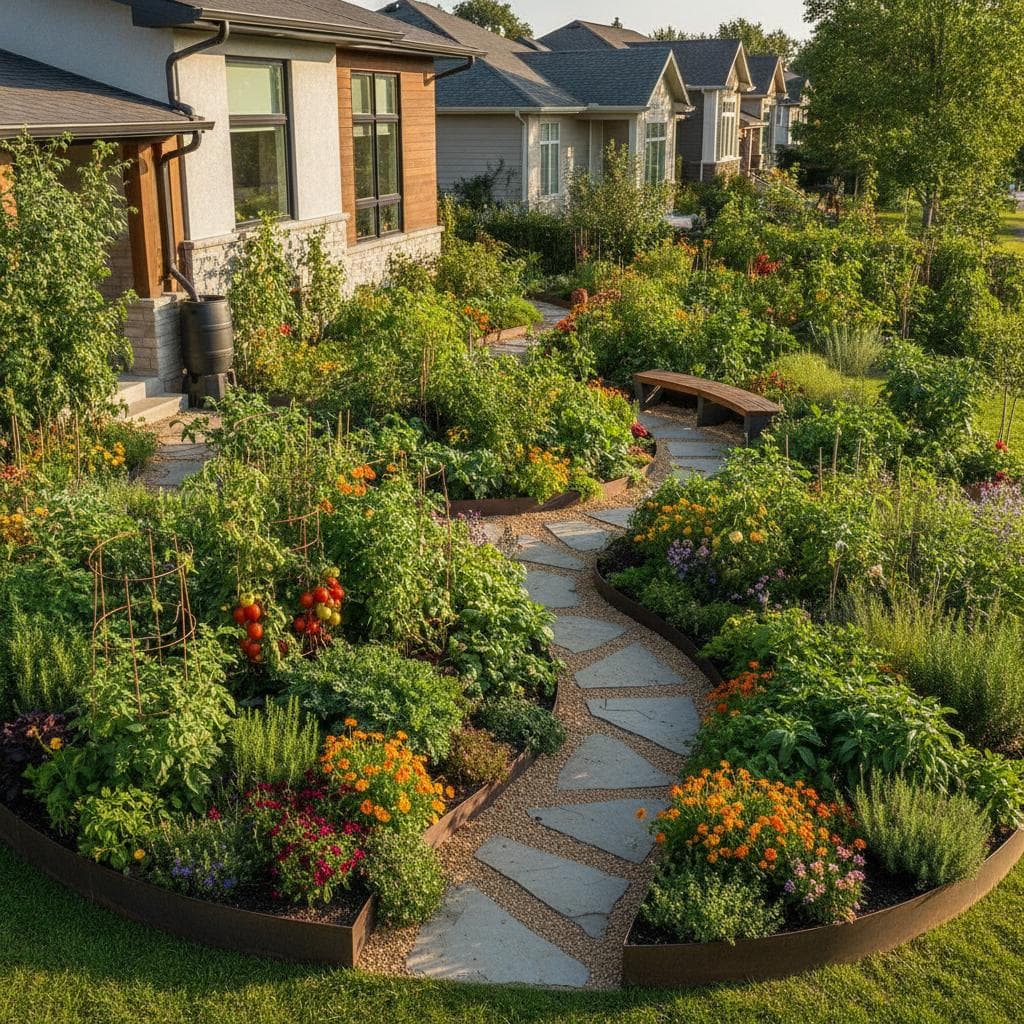
Front Yard Farms Secure Nationwide Legal Protections
Homeowners across the country now hold the legal right to replace traditional lawns with productive front yard farms. Cities and homeowners associations have updated regulations to permit edible landscapes that combine visual appeal with practical food production. These reforms support sustainable living while maintaining neighborhood standards.
Updates to Local Regulations
Many municipalities once restricted vegetables and fruit trees in front yards due to concerns over appearance and uniformity. Recent court decisions and revised city codes now treat edible plants with the same allowances granted to ornamental landscaping. New ordinances explicitly permit raised beds, fruiting shrubs, and efficient irrigation systems in visible areas.
These policy shifts recognize that well maintained food gardens contribute to property values and environmental goals. Several regions have adopted model guidelines that integrate edible landscapes into broader climate adaptation plans. The result allows residents to grow food without violating design requirements.
Benefits of Front Yard Food Production
Replacing lawn with edible plants addresses water conservation needs and reduces household grocery expenses. A thoughtfully arranged front yard garden can supply seasonal vegetables and herbs while lowering irrigation demands through targeted drip systems. Such spaces also encourage neighbor interactions that strengthen community ties.
Edible landscapes improve soil structure and support pollinators when designed with diverse plantings. They eliminate routine mower emissions and chemical applications associated with turf maintenance. Property owners report measurable reductions in utility costs after converting to productive designs.
Practical Design Approaches
Successful front yard farms balance productivity with ordered appearance through deliberate layout choices. Begin by mapping sight lines from the street and selecting plants that provide structure throughout the year.
Apply these steps to achieve both function and visual balance:
- Pair architectural edibles such as artichokes or blueberries with flowering companions to create layered interest.
- Select raised bed materials like cedar or stone that complement the home exterior.
- Incorporate perennial crops including asparagus alongside annual vegetables for continuous coverage.
- Define paths with gravel to separate beds and maintain a tidy presentation.
- Install a timed drip irrigation network to manage water use efficiently.
These measures help gardens meet aesthetic guidelines while delivering fresh produce.
Navigating Community Guidelines
Residents facing prior restrictions should examine current covenants and municipal codes before proposing changes. Prepare a submission that includes scaled drawings, a plant schedule, and a seasonal maintenance outline. Demonstrating consistent upkeep and water efficiency addresses common objections from review boards.
State laws increasingly affirm the right to cultivate food on private residential property. Reference these protections when discussing plans with association representatives or planning staff. Many boards now approve designs that demonstrate clear stewardship.
Community and Economic Outcomes
Legal acceptance of front yard farms has prompted local garden tours and expanded nursery offerings of fruiting varieties. Real estate listings increasingly note productive landscapes as desirable features. Urban planners note reduced runoff and new habitat creation in converted areas.
Some neighborhoods coordinate harvest exchanges that distribute surplus produce among residents. These programs build local food security while reinforcing social connections. The cumulative effect supports more resilient household and community systems.
Sustaining Your Edible Landscape
Maintain soil health through crop rotation and regular additions of organic matter. Prune plants to promote airflow and refresh surface mulch to suppress weeds. Adjust the layout over time to accommodate new varieties or shifting sunlight patterns.
Add seating near the beds to encourage daily observation and enjoyment. Consistent attention keeps the space both productive and inviting throughout the seasons.