
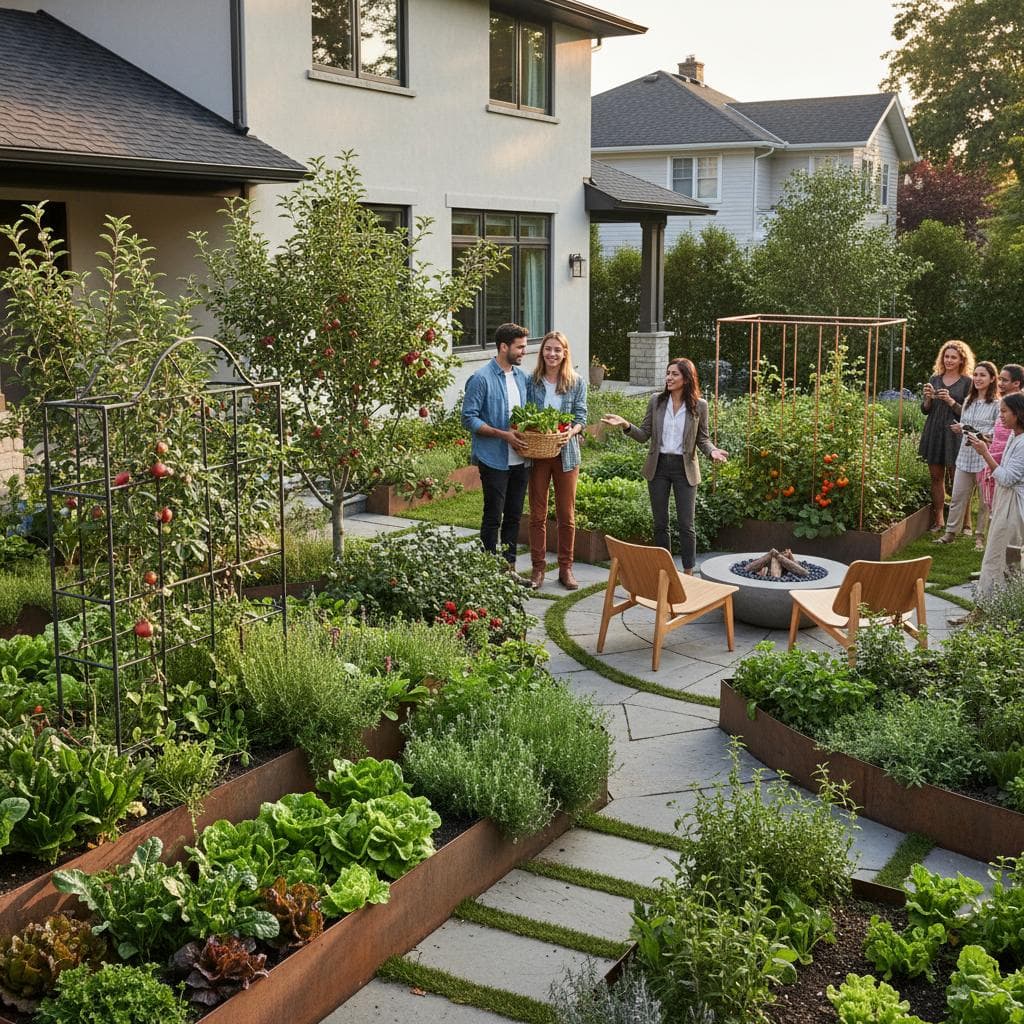
Transforming Front Yards into Productive Edible Spaces
Alex and Jamie Torres purchased a modest suburban home on a tree-lined street. They appreciated the neighborhood's charm but viewed the uneven front lawn as an opportunity for improvement. Collaborating with landscape designer Priya Khatri, they converted the space into an edible garden that yields fresh herbs, greens, and fruits almost year-round, benefiting their family and fostering community ties.
Project Overview
- Residents: Alex and Jamie Torres, along with their two children
- Setting: A serene suburban area near a mid-sized city
- Garden Area: 500 square feet in the front yard
- Designer: Priya Khatri of Green Loop Design Studio
- Contractor: Grow Urban Landscapes
- Primary Objective: Substitute high-maintenance grass with a visually appealing, cost-effective garden that produces food
Redefining Neighborhood Aesthetics
The Torres family sought to produce food while preserving an inviting exterior. Khatri began by reimagining the garden layout. She incorporated winding planting beds divided by gravel walkways, creating the impression of a refined courtyard rather than a utilitarian plot.
Balance remains a key consideration, according to Khatri. The design ensures the area appears as a cohesive garden, suitable for a front yard setting. Walkways guide visitors from the sidewalk to the porch, encouraging brief conversations as the family maintains the plants.
Integrating Food-Producing Plants with Decorative Elements
Khatri employed a layered planting strategy to harmonize edibles with ornamental features. The perimeter features a mix of productive and decorative plants that align with local styles. Aromatic lavender, rosemary, and thyme form borders, providing fragrance and culinary uses.
Compact blueberry shrubs and dwarf citrus trees establish height and offer changing colors through the seasons. In the core areas, productive crops dominate. Swiss chard and kale flourish in shaded spots, while cherry tomatoes ascend trellises attached to a cedar framework. A drip irrigation setup optimizes water use, and leaf-based mulch conserves moisture while controlling weeds.
Key Design Features for Efficiency and Elegance
Specific elements enhance both practicality and refinement in this garden:
- Walkways: Crushed granite surfaces permit water infiltration, minimizing erosion and maintaining cleanliness.
- Bed Borders: Subtle steel edges contain soil and prevent spillover onto paths.
- Water Management: A compact barrel near the porch gathers rainwater from the roof for supplemental irrigation.
- Illumination: Solar-powered lights accentuate the layout after dark and facilitate nighttime harvesting.
These selections align with the family's desire for minimal upkeep. Alex noted that daily tasks now require only ten minutes for harvesting and watering.
Managing Seasons for Continuous Yields
Khatri developed a rotation schedule to sustain output across months. Quick-maturing greens succeed early peas as temperatures rise. Peppers and eggplants then occupy those positions in midsummer.
Root crops such as carrots and radishes develop under taller plants, maximizing vertical space. During colder periods, garlic and onions require scant attention. Strawberries along the edges deliver easy access for children and serve as vibrant, low-growing cover visible to onlookers.
Selecting Durable, Harmonious Materials
Choices for surfaces and structures emphasize longevity and ease of care. Cedar trellises receive a food-safe oil treatment to withstand weather exposure. Gravel paths consist of regional stone that complements the house foundation.
Powder-coated steel borders in a bronze finish coordinate with the entry hardware. Near the porch, planters constructed from recycled brick provide warmth retention for sun-dependent plants and echo the home's architectural history. Mulch updates occur biannually, supplemented by compost from household waste to improve soil quality.
Building Community Through the Garden
The transformation quickly drew local attention, turning the yard into a neighborhood focal point. Residents frequently inquire about techniques or exchange plant starts. The Torres family initiated a weekend barter system, trading surplus herbs for items like eggs or baked goods.
Jamie observed that the garden has altered neighborhood dynamics. Conversations increase, resources circulate more freely, and children gain insights into food origins. The setup proves both functional and connective.
Incorporating Edible Gardens into Everyday Routines
This front yard design integrates effortlessly into family habits. Fresh salads appear on the table shortly before meals, and children contribute by gathering herbs for morning dishes. Food expenses have decreased substantially, with a significant portion of meals sourced from the garden.
Individuals interested in replication should initiate with modest adjustments. Substitute a lawn section adjacent to the entrance with herbs or berry plants. Install a trellis to support vining beans or add edible blooms. Select materials that echo your home's character to ensure the result appears deliberate and cohesive.
Realizing Benefits from Front Yard Cultivation
Edible front yards demonstrate that utility and visual appeal can coexist effectively. Strategic planning enables anyone to convert standard grass into a vital food source. Such spaces not only sustain households but also invite engagement from the surrounding community and support ecological balance.