
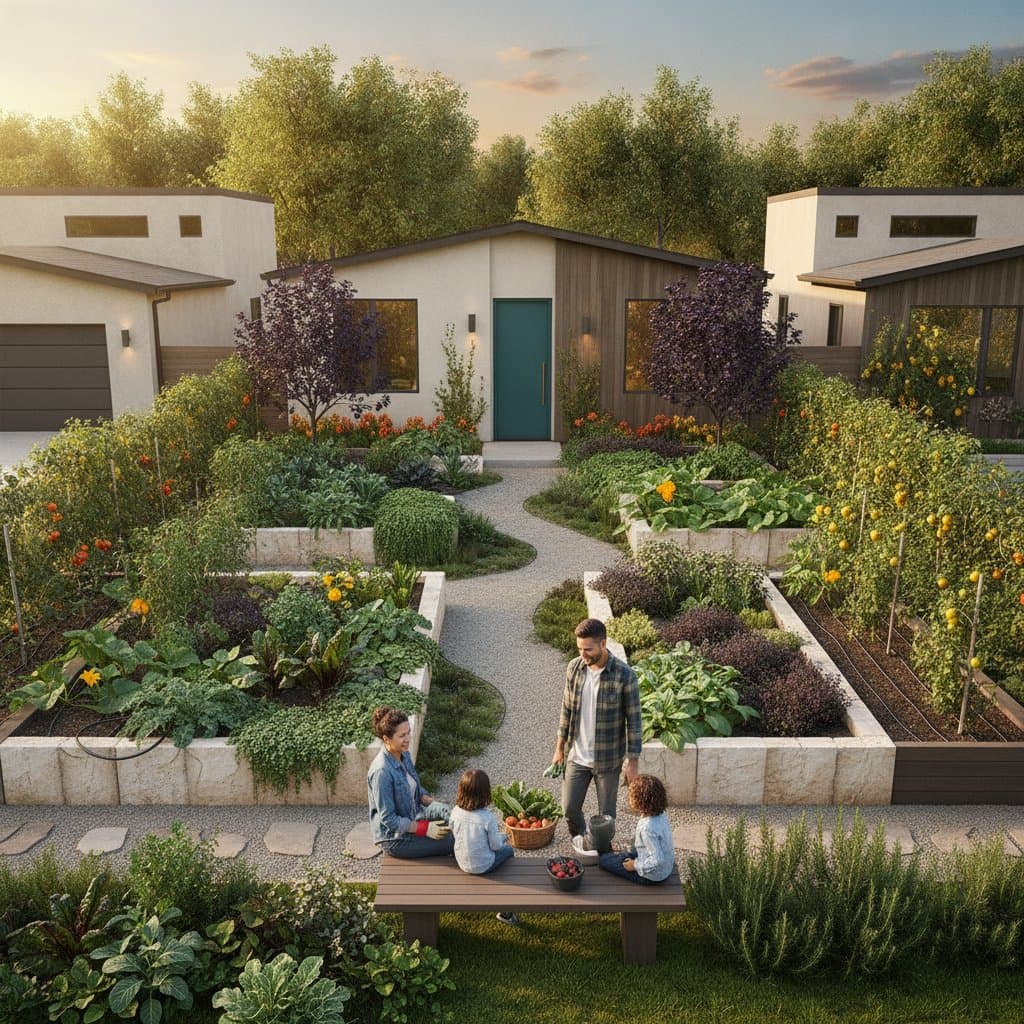
HOAs Now Welcome Edible Front Yard Gardens in California
Homeowners across California are celebrating a quiet yet meaningful shift. More homeowner associations, long known for strict landscaping rules, are beginning to allow edible front yard gardens. What once required stealthy tomato pots behind the fence is now being welcomed as part of a neighborhood aesthetic.
This change blends beauty with function. It also blends sustainability with community. Fresh food now grows just steps from the front door.
Why the Change Matters
For many homeowners, front yards were once purely ornamental. Manicured lawns and foundation shrubs filled the space. These offered little ecological or nutritional value.
The shift toward edible landscaping, often called foodscaping, reflects a broader desire for purposeful outdoor design. People want gardens that feed their families. They also want gardens that attract pollinators and conserve water.
From a community standpoint, the move by HOAs to allow edible gardens signals a recognition that attractive design and productivity can coexist. With careful planning, fruit trees, berries, herbs, and vegetables can be arranged as artfully as any ornamental planting.
Designing with Beauty and Balance
The most successful edible front yards start with thoughtful design. Homeowners integrate edibles into existing beds and borders rather than converting the entire lawn into rows of crops. The goal remains curb appeal while expanding function.
Effective design strategies include the following approaches.
- Layered planting: Combine low herbs such as thyme and oregano with mid-height vegetables like kale or chard. Add taller elements such as trellised beans or espaliered fruit trees near walls or fences.
- Color and texture: Mix leafy greens with purple basil, red lettuces, and golden marigolds for contrast. Edibles can appear as visually dynamic as any ornamental flower bed.
- Defined structure: Use pathways, edging, or raised beds to create order. A clear layout reassures neighbors and HOAs that the garden is intentional.
- Seasonal variety: Rotate crops through the year to keep the space vibrant. When vegetables finish their cycle, replant with herbs or ornamental grasses that maintain visual interest.
By blending form and function, homeowners create landscapes that remain visually cohesive while producing a steady harvest.
Working with HOA Guidelines
Even as HOAs relax restrictions, most still require that gardens maintain a tidy appearance. Homeowners should review the community landscaping guidelines. They should submit a simple plan before planting when possible. Including a sketch or plant list can prevent misunderstandings later.
Best practices include these steps.
- Respect height limits by keeping taller plants away from sidewalks or street views. Use trellises or supports that match the home architecture.
- Maintain clean, accessible pathways so the garden feels welcoming rather than overgrown.
- Perform regular upkeep by removing spent plants promptly and keeping mulch fresh. A well-maintained edible garden looks intentional and cared for.
Water Efficiency and Sustainability
California gardeners understand the importance of water-wise design. Edible landscaping fits within those limits. Deep mulching, drip irrigation, and drought-tolerant crops such as artichokes, figs, and rosemary keep water use low while productivity stays high. Grouping plants by their watering needs simplifies maintenance and reduces waste.
Composting on site adds another layer of sustainability. Kitchen scraps and garden trimmings transform into nutrient-rich compost. This reduces reliance on synthetic fertilizers and closes the loop between household and garden.
Choosing the Right Plants
Selecting plants suited to the local microclimate is key. Mediterranean herbs, citrus trees, and hardy greens thrive in most California regions. For a well-rounded edible front yard, consider these categories.
- Perennials: Strawberries, asparagus, and rhubarb return each year with minimal care.
- Shrubs and small trees: Blueberries, figs, and dwarf citrus provide structure and long-term yield.
- Annuals: Tomatoes, peppers, and leafy greens rotate seasonally for continuous color and harvest.
- Pollinator companions: Lavender, borage, and nasturtiums attract bees and beneficial insects that support fruiting crops.
Combining these with ornamental plants such as salvias, succulents, or ornamental grasses helps maintain visual unity with neighboring yards.
Community and Connection
Edible front yards invite interaction. Neighbors stop to chat about ripening tomatoes or fragrant basil. Children learn where food comes from. Sharing a handful of homegrown produce strengthens community ties in ways that traditional lawns never could.
Many homeowners find that once one garden appears, others follow. A single front yard filled with vegetables can inspire an entire street to rethink what beauty means in a residential landscape.
Living with Your Edible Garden
Once the garden is established, maintenance becomes a satisfying routine. Regular pruning, harvesting, and replanting keep the space active and productive. Homeowners can add small seating areas or decorative containers to make the front yard both practical and welcoming.
For those managing busy schedules, consider working with a landscape designer experienced in edible planting. Professional input ensures the layout remains balanced. It also ensures soil health stays strong and seasonal transitions happen smoothly.
Ongoing Rewards of Edible Landscapes
As HOAs adapt to a more flexible approach, edible front yard gardens represent a meaningful step toward sustainable living. They combine visual appeal, environmental responsibility, and personal satisfaction. The fresh produce tastes better when it comes from your own soil. The garden beauty deepens with each season. For homeowners who once felt limited by rules, this change opens a new chapter of creativity and connection. The front yard serves more than display purposes.