
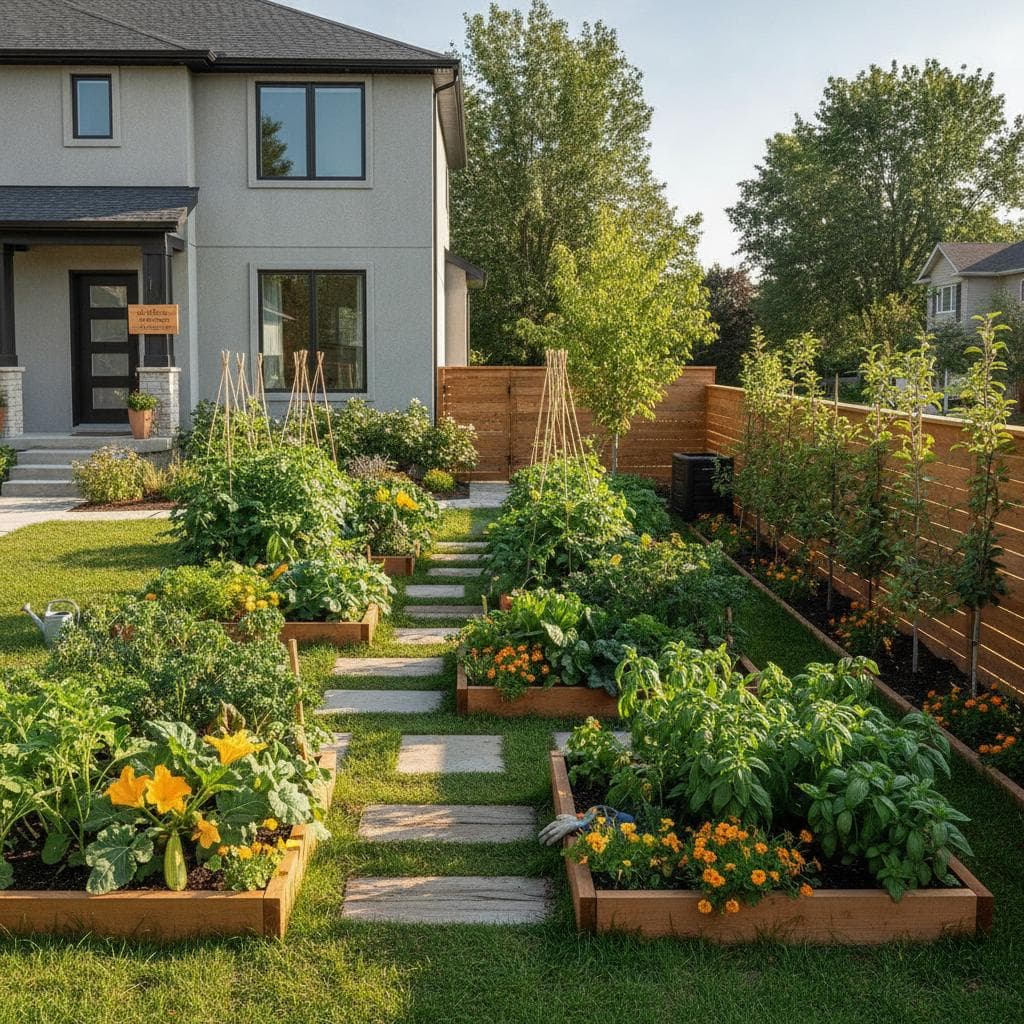
Front Yard Freedom: HOAs Finally Permit Vegetable Gardens
When Mark and Lila Peterson bought their suburban home, they dreamed of growing food right outside their front door. They imagined raised beds filled with tomatoes, herbs spilling over the edges, and bees visiting the blooms. Their homeowners association had other ideas, enforcing a rule that limited front yards to turf and ornamentals. After years of discussion and persistence, the association revised its guidelines, and the Petersons became the first in their neighborhood to plant an edible front yard.
Their project captures a growing movement across communities where HOAs are relaxing restrictions and encouraging sustainable, productive landscapes that match modern values.
A New Kind of Curb Appeal
The Petersons home sits on a gentle slope with a large lawn that once required weekly mowing. The redesign replaced half the turf with edible beds arranged in geometric patterns that echo the homes contemporary architecture. From the street, the garden looks intentional, not utilitarian. Low cedar boxes neatly contain vegetables, while curved gravel paths guide visitors through clusters of herbs and flowers.
Lila said the design was as much about appearance as production. "We knew we had to show that vegetables can look as refined as any ornamental garden," she said. "The goal was to make it beautiful from the sidewalk and practical for daily harvests."
The transformation started with a site plan that considered sight lines, sun exposure, and neighborhood consistency. The designer used the houses existing color palette to inform material choices. The cedar planters were stained a warm gray that matches the front door. Every planting zone follows the same restrained color story, blending deep greens with silvery foliage and soft blooms.
The Layout
The front yard divides into three distinct zones:
- Entry Pathway Garden: Lined with lavender and sage, this area leads from the sidewalk to the front door. The scent greets visitors, and the low growing herbs keep sight lines open.
- Central Raised Beds: Six cedar planters, each four feet wide and eight feet long, form a grid across the main lawn. They hold a rotation of vegetables including leafy greens, carrots, peppers, and compact tomato varieties.
- Perimeter Pollinator Border: Along the edges, native perennials like echinacea, black eyed Susan, and salvia attract bees and butterflies. These plants soften the transition between the structured beds and the surrounding landscape.
A drip irrigation system runs beneath the mulch, keeping the soil evenly moist without overspray. Gravel paths between the beds prevent mud and make maintenance easy.
Balancing Design and Productivity
While the gardens visual order satisfies HOA expectations, it also supports serious food production. Each raised bed contains high quality soil blended from compost, loam, and perlite. The couple uses vertical trellises for climbing crops like peas and cucumbers, which maximize yield in limited space.
The planting schedule follows a simple rotation to keep the soil healthy. Early season greens give way to summer vegetables, then fall crops like carrots and radishes. The drip irrigation system connects to a smart controller that adjusts watering based on weather forecasts.
Lila said, "We wanted a system that lets us enjoy the garden without it becoming a full time job. The setup makes it easy to manage."
Integrating Ornamentals and Edibles
The designer treated the project as a unified landscape rather than a patchwork of crops. Ornamental grasses frame the corners, while edible plants with decorative value, such as rainbow chard and purple basil, provide color. In spring, alliums bloom alongside the vegetables, creating a seamless connection between food and flowers.
Mulch choice also enhances the look. The team used shredded hardwood bark in the ornamental zones and straw mulch in the vegetable beds. Both are natural in tone and contribute to soil health. The result is a landscape that changes subtly through the seasons but never feels neglected.
Community Wide Benefits
Across many neighborhoods, similar changes are emerging. As communities rethink water use, sustainability, and food security, HOAs are recognizing that edible landscapes can enhance property value rather than diminish it. Designers are responding with front yard plans that integrate raised beds, fruiting shrubs, and decorative trellises that match architectural styles.
Some homeowners start with a single edible feature, such as a blueberry hedge or a pair of citrus trees, before expanding into full garden layouts. Others replace foundation plantings with herbs that double as ornamentals. The key is thoughtful composition, where each edible plant contributes to the overall design.