
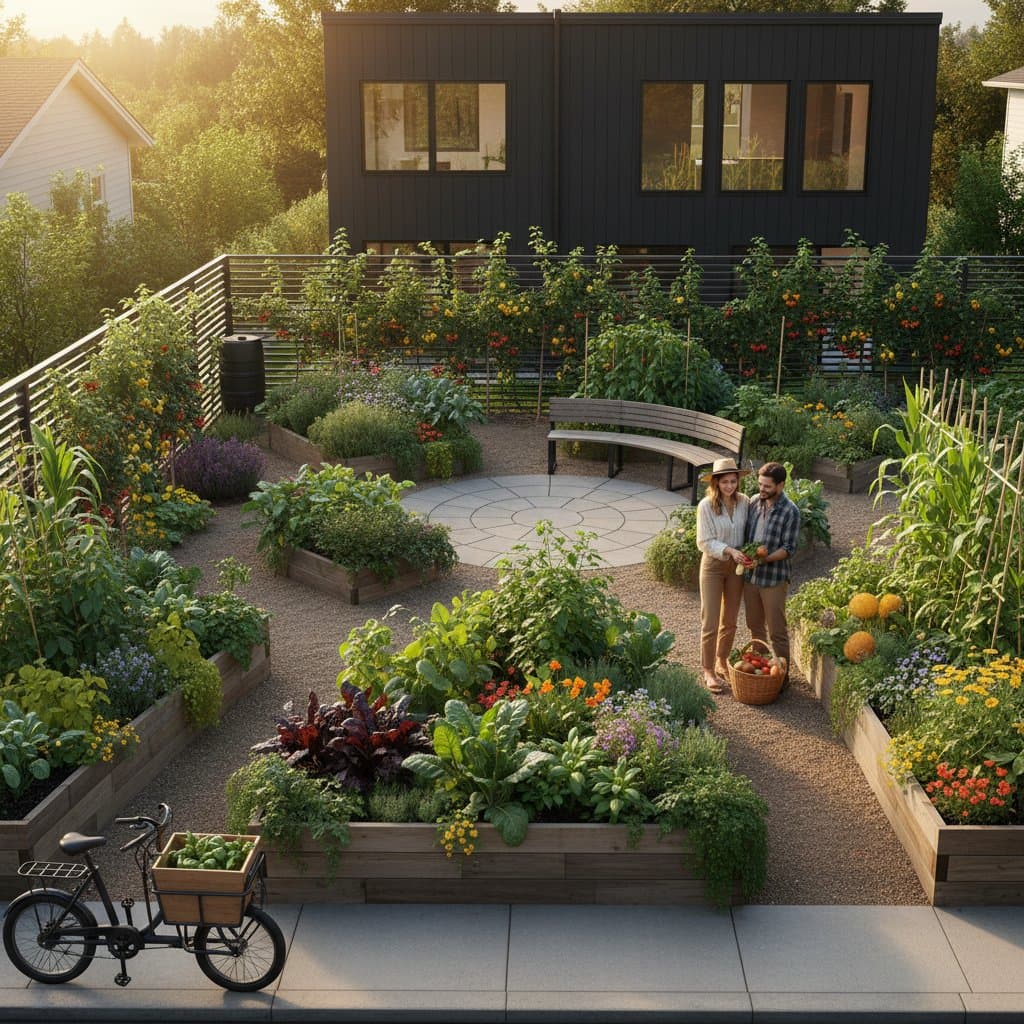
The Rise of Edible Front Yards in 2025
Picture a neighborhood where front yards burst with herbs, leafy greens, citrus trees, and berry bushes rather than manicured hedges and expansive lawns. The scent of fresh rosemary and basil lingers in the air, while vibrant colors and varied textures draw the eye along the sidewalks. In California and other regions, homeowners increasingly redesign their visible outdoor areas to prioritize productivity, sustainability, and enhanced beauty over traditional ornamentation.
This transformation extends beyond mere food production or ecological awareness. It encompasses aesthetic refinement, social interaction, and a profound bond with the immediate environment. Edible landscapes prove as sophisticated as conventional designs, offering the bonus of nourishment, wildlife support, and long-term adaptability.
Shifting from Lawn Maintenance to Garden Vitality
Historically, front yards represented tidiness and achievement through immaculate grass and symmetrical shrubs. Such displays conveyed diligence and social standing. However, evolving priorities challenge this norm as water shortages, escalating expenses, and shifting perspectives prompt a reevaluation: why sustain an area that yields no tangible return?
An edible front yard redefines this legacy. It shifts from a polished emblem of prestige to a dynamic biological system. Fruit trees establish shade and framework, herbs delineate aromatic edges, and vegetables like kale provide striking foliage comparable to decorative species. This evolution maintains a sense of accomplishment, now rooted in ingenuity, stewardship, and ecological mindfulness.
Principles of Effective Edible Landscape Design
Edible landscapes demand intentional planning to integrate function with form, avoiding haphazard vegetable patches amid remnants of turf. Designers apply the same attention to layering, hue, texture, and yearly variation as in ornamental schemes. The distinction lies in multifunctional elements that serve both eye and table.
Establishing Structure and Flow
Position fruit trees as foundational pieces, akin to decorative anchors. Compact varieties such as dwarf lemons, persimmons, or pomegranates mark boundaries or flank pathways. Their lustrous foliage, blooming cycles, and vivid fruits ensure ongoing visual harmony across seasons.
Incorporating Color and Variety
Blend lush green herbs with options like purple basil, crimson chard, or bright nasturtiums for a layered palette that matches elaborate flower beds. Edible blooms such as calendula and violas introduce pops of color and draw essential pollinators to the space.
Balancing Texture and Proportion
Combine delicate herbs like thyme and oregano with robust plants such as rhubarb or artichokes. This mix of scales fosters movement and equilibrium, preventing monotony in the layout.
Ensuring Year-Round Productivity
Schedule plantings for successive yields and appeal. Spring greens transition to midsummer tomatoes, yielding to autumn staples like cabbage and carrots. In temperate zones, strategic choices maintain output and attractiveness throughout the calendar.
These strategies yield a front yard that nourishes both culinary needs and artistic sensibilities. The design encourages onlookers to linger, appreciate the details, and perhaps initiate dialogue with the gardener.
Environmental Advantages Embedded in Design
Edible front yards deliver profound ecological gains that surpass surface-level impacts. Substituting grass with planted beds slashes water consumption, particularly in arid areas like California. Mulched zones paired with targeted drip systems preserve soil hydration efficiently, minimizing runoff.
Perennial choices from artichokes to established herbs anchor the earth and lessen replanting demands. Household composting recycles waste into nutrient-rich enhancements, forming a self-reliant cycle. Compact yards still bolster pollinators and helpful insects via nectar-rich edibles and local companions.
Sustainability extends socially as well. Exchanges of seedlings, surplus fruits, or cultivation advice among neighbors build communal ties. The front yard evolves from a private barrier to a connector between homes and streets.
Financial Benefits of Homegrown Production
With food costs climbing and supply chains faltering, many families reassess sourcing. An edible front yard converts idle land into economic assets. Though it supplements rather than supplants market shopping, it curbs expenses on pricier items like fresh herbs, salad greens, and unique fruits.
Upkeep expenses often decline versus lawn care. Investments in mulch, organic matter, and precise watering prove more economical than routine trimming, chemical applications, and excessive irrigation. Cumulative savings emerge over years of use.
Moreover, these features elevate real estate desirability. Industry experts value eco-conscious elements that denote proactive ownership and contemporary ethos. A thoughtfully executed garden appeals to buyers seeking efficiency, wellness, and progressive living.
Addressing Typical Hesitations
Prospective converters often worry about disorderly aesthetics or pest influxes. These issues merit consideration, yet strategic approaches mitigate them effectively.
Maintaining Visual Order
Intentional edible gardens exhibit clear organization. Elevated beds, stone paths, and bordered sections impose structure. Trellises for vining crops like beans add height without clutter, while repeating motifs such as rosemary interspersed with lavender promote unity.
Streamlining Upkeep
These gardens necessitate consistent care, comparable to ornamental counterparts. Efficiency arises from zoning plants by hydration requirements, applying thick mulch against weeds, and selecting resilient local strains. Mature perennials like herbs and dwarf trees demand little beyond basic tending.
Managing Insect Challenges
Plant diversity naturally curbs infestations. Tactics like positioning marigolds beside tomatoes or basil alongside peppers repel common threats. The habitat supports birds and predatory insects, preserving equilibrium. A neat edible yard seldom disrupts the surroundings.
Step-by-Step Guide to Conversion
Shifting to an edible front yard calls for deliberate preparation and gradual implementation. These steps outline a reliable path forward.
-
Evaluate Site Conditions
Track sunlight patterns; edibles typically require six or more hours daily. Analyze soil for percolation and acidity, amending with compost to enhance vitality prior to introduction. -
Draft a Layout Plan
Outline on paper including routes, rest zones, and highlights. Assign roles to plants for support, utility, and ornamentation to avoid future overlaps. -
Implement Incrementally
Target one area initially, incorporating easy starters like border herbs or specimen trees amid current features. Expand as skills develop and results appear. -
Layer for Optimal Use
Integrate low growers (thyme, strawberries), intermediates (lettuces, kales), and verticals (trees, supported vines). This maximizes space and depth. -
Set Up Water Delivery
Deploy drip lines to roots, curbing loss to air. Layer mulch thickly to hold dampness and stabilize temperatures. -
Enhance with Functional Decor
Place potted herbs at entrances for accessibility. Line edges with blooming edibles. Add benches to frame the area as an extension of living space. -
Support Local Fauna
Select flora that sustains bees, butterflies, and avians. Blend natives with crops to secure pollination and harmony. -
Sustain Through Cycles
Gather produce routinely to encourage growth. Shape trees for form and yield. Renew coverings and nutrients with seasonal shifts.
This method crafts an adaptive, interactive front yard that rewards ongoing engagement over distant admiration.
Broader Societal and Cultural Impacts
Edible front yards mirror wider evolutions in food attitudes and land use. Cultivation moves from secluded back areas to prominent displays of principle.
In communities, these gardens ignite initiatives like plant exchanges, guided viewings, or harvest gatherings. Youth gain insights into origins as they observe sidewalk-ripening berries. Such practices cultivate collective goals and regional character.
Local governments increasingly align policies, updating rules to favor functional landscapes. Incentives for grass replacement or drought-tolerant options proliferate. As support grows, these yards gain mainstream endorsement and acclaim.
Sustaining and Enjoying the Transformation
An established edible front yard integrates into everyday routines. A quick path to the street yields berries for breakfast. Casual encounters with passersby might involve sharing herbs.
Seasonal fluxes highlight nature's tempo, from spring flushes to winter dormancy. Awareness heightens around climate cues, earth quality, and insect life. The space imparts lessons in perseverance alongside fulfillment.
Long-term oversight emphasizes guidance over labor. As earth enriches and plants establish, efforts lighten. The yard achieves autonomy, delivering sustenance, allure, and contentment with sparing input.