
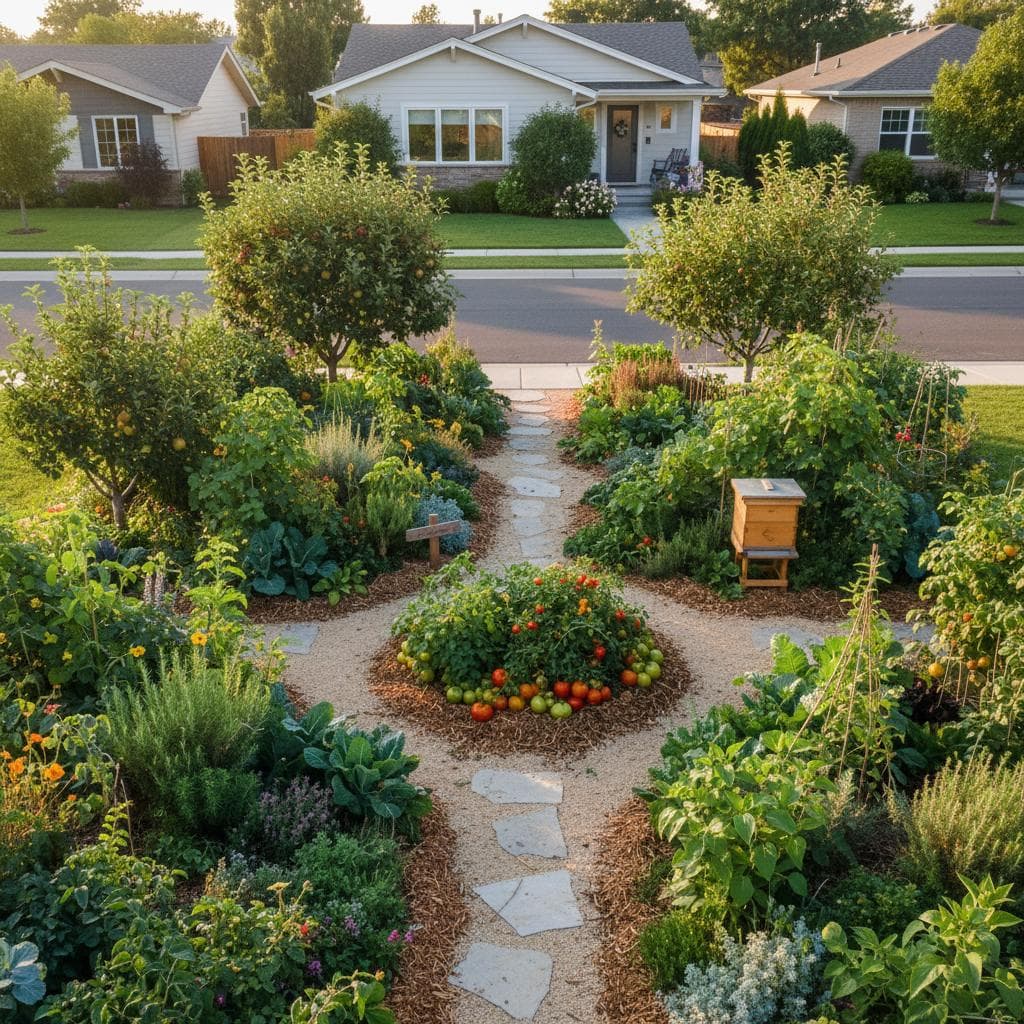
Zoning Reforms Unlock Edible Food Forests in Front Yards
Suburban neighborhoods experience a subtle transformation. Traditional front lawns, once maintained as uniform green expanses, now yield to diverse, edible landscapes that sustain both residents and local wildlife. Zoning reforms in numerous communities permit homeowners to establish front-yard food forests, altering perceptions of residential beauty, utility, and environmental stewardship.
In regions like California, where water conservation remains critical, these edible front yards address the need for resilient yet attractive landscapes. Homeowners achieve this balance through deliberate design, suitable plant choices, and ecological principles. Such spaces provide nourishment for the home, habitat for wildlife, and compliance with community expectations.
Understanding the Zoning Shift
Traditional zoning codes emphasized turf grass, decorative shrubs, and trees aligned with conventional suburban aesthetics. Edible plants typically confined to rear yards, community plots, or agricultural areas. Recent revisions by local councils expand permissions to include fruit trees, vegetables, herbs, and berry bushes in front yards.
Certain municipalities promote these features within climate-adaptive landscaping initiatives. This evolution recognizes the aesthetic and ecological merits of edible gardens. Homeowners gain opportunities to redesign visible property areas, provided designs appear purposeful and maintained. Effective planning ensures alignment with both regulations and visual harmony.
The Concept of a Food Forest
A food forest replicates natural woodland structures through layered plantings. Tall trees create the canopy, understory shrubs and smaller trees provide mid-level support, while herbs, vines, and groundcovers form the base. Layers interact to share resources like nutrients, water, and shade, promoting self-sufficiency.
Adapted to front yards, this system scales appropriately while retaining core advantages. Essential components include:
- Canopy layer: Small fruit trees such as fig, persimmon, or dwarf citrus varieties.
- Shrub layer: Blueberries, currants, or pomegranates for mid-height production.
- Herbaceous layer: Culinary herbs, pollinator-attracting flowers, and perennial vegetables.
- Groundcover layer: Strawberries, creeping thyme, or sweet potato vines to cover soil.
- Vertical layer: Climbing beans, passionfruit, or grapes supported by trellises.
This arrangement yields year-round harvests, demands minimal external resources compared to conventional gardens, and enhances local biodiversity.
Why Front Yards Matter
Front yards frequently serve decorative purposes without contributing to household needs. Relocating edible elements forward converts these areas into functional ecosystems. This change also encourages interactions that strengthen community bonds.
Design advantages of front-yard food forests encompass:
- Water efficiency: Established perennials with mulched soil hold moisture effectively, surpassing lawn requirements.
- Pollinator support: Varied flowering plants draw bees, butterflies, and helpful insects.
- Reduced maintenance: Elimination of frequent mowing and intensive fertilization saves time and effort.
- Curb appeal: Strategic arrangements with seasonal interest rival traditional ornamental setups.
- Community connection: Visible gardens prompt inquiries, seed sharing, and recipe exchanges among neighbors.
Designing for Curb Appeal and Function
Front-yard food forests demand intentional design to blend utility with elegance. The approach integrates aesthetics and purpose seamlessly.
Establish structure first. Employ stone edging, low fencing, or defined pathways to outline beds, conveying care over disorder.
Build in layers. Position trees or vertical elements initially, then incorporate shrubs, herbs, and groundcovers. Consistent colors and textures unify the composition.
Account for visibility. Place taller plants at the rear or against structures; select compact varieties near paths to preserve views and avoid excessive shade.
Incorporate color and texture strategically. Plants like chard, kale, and artichokes offer bold foliage; pair with blooming herbs such as lavender, rosemary, and sage for scent and visual interest.
Respect neighboring preferences. Consistent tidiness fosters acceptance. Prune regularly, apply mulch, and harvest promptly to uphold standards.
Soil Health and Preparation
Robust soil underpins thriving food forests. Assess texture and drainage prior to planting. Front-yard soils often compact from prior lawn care; amend with compost, leaf litter, and organic materials to aerate.
Apply mulch generously. This method curbs weeds, preserves water, and nurtures beneficial soil fungi. The resulting microbial activity sustains plants organically. Steer clear of chemical fertilizers that harm this balance.
In arid climates like California's, install drip lines or soaker hoses for targeted watering. These systems minimize evaporation and keep leaves dry, reducing disease risks.
Choosing the Right Plants
Select plants suited to regional conditions, including climate, soil, and light exposure. Drought-resistant options suit Mediterranean zones; humidity-tolerant types perform in coastal or valley settings.
Recommended fruit trees:
- Fig, pomegranate, persimmon, apple, pear, or dwarf citrus.
Shrubs and small fruits:
- Blueberry, currant, goji berry, or pineapple guava.
Herbs and perennials:
- Rosemary, thyme, sage, oregano, lemongrass, and chives.
Groundcovers:
- Strawberries, creeping thyme, or edible purslane.
Pollinator flowers:
- Calendula, yarrow, echinacea, or borage.
Combine perennials for structure with annuals for seasonal variety, ensuring continuous output.
Managing Community and Regulatory Expectations
Zoning updates do not eliminate all resistance; some associations enforce aesthetic guidelines requiring review. Proceed with openness to build support.
- Share plans upfront: Submit sketches to neighbors or boards, detailing maintenance and visual enhancements.
- Emphasize conservation: Highlight reduced water use in drought-prone areas.
- Provide visuals: Share images of successful, neat edible gardens to address neatness concerns.
- Demonstrate commitment: Maintain through pruning, weeding, and harvesting to model responsibility.
These actions convert doubt to interest, positioning gardens as positive examples.
Integrating Aesthetics and Ecology
Balance remains key to success. Incorporate non-edible features that complement home architecture, such as winding gravel paths, modest benches, or artistic trellises.
Align plant palettes with surroundings. Warm-hued homes suit silver foliage like olive or sage; contemporary styles favor deep greens, burgundy accents, and soft blooms.
Ecologically, foster a self-regulating system. Include nitrogen-fixing plants, insect-attracting species, and dense covers. Diversity in form, height, and flowering periods ensures stability.
Maintenance and Seasonal Care
Established food forests demand less labor than row gardens yet require periodic oversight.
Key seasonal activities:
- Renew mulch to retain soil moisture.
- Prune trees for form and ventilation.
- Divide herbs periodically to sustain vitality.
- Inspect irrigation for efficiency.
- Eliminate unhealthy plants swiftly.
Regular harvesting stimulates yields. Distribute excess to networks or charities to sustain flow.
Cost and Long-Term Value
Startup expenses vary with scale, sourcing, and assistance. Turf removal, soil enhancement, and irrigation setup form initial outlays. Opt for young plants and personal labor to economize.
Savings accrue via lower utility and care bills, offset by ongoing provisions. Mature systems deliver enduring fruits, herbs, and produce with scant intervention, yielding strong returns for eco-conscious owners.
Education and Community Influence
A single transformed yard inspires replication. Educational entities like schools and clubs engage, broadening knowledge through workshops and displays.
This ripple effect prompts further policy shifts and municipal incentives for resilient, productive designs. Change spreads gradually from individual actions.
Sustaining Your Food Forest
As the food forest develops, it integrates into routines. Harvest herbs for meals, offer fruits to others, or observe pollinators at work for daily fulfillment.
Adapt to performance variations. Document successes, photograph progress, and refine annually. Zoning reforms empower these designs, yielding gardens that nourish, beautify, and unite.